iStock | step2626
***Updated on 5/8 with additional information from the World Health Organization, Mallis Handbook of Pest Control, 11th edition, and the PCT Commercial Guide to Pest Management ***
CAPE TOWN, South Africa — A hantavirus outbreak on the MV Hondius cruise ship in the Atlantic Ocean has killed three people — a Dutch couple and a German citizen — and left at least three other passengers ill, reported the World Health Organization (WHO) and news outlets such as the Associated Press, NPR and the New York Times on Sunday, May 3.
On Thursday, May 7, WHO said that a total of eight cases have been reported, including the three deaths. The other five cases have been confirmed as hantavirus. WHO reported that the cruise ship is carrying 147 passengers and crew, and is working with other countries under the International Health Regulations rules. The organization said it also has sent an expert on board to support medical evaluation of the passengers and crew and to assess risk of infection. The outbreak's current risk to the global population has been assessed as low by WHO.
According to Spain's Ministry of Health, those on board the MV Hondius will disembark in the Canary Islands.
PMPs are continuing to monitor hantavirus outbreaks, both globally and in the United States. The first hantavirus detection in the U.S. in 2026 was reported in San Diego, Calif., in January, after a Western harvest mouse tested positive for the virus, according to the San Diego County News Center. Hantavirus gained national attention in March 2025 after Betsy Arakawa, wife of Oscar-winning actor Gene Hackman, died from hantavirus palmary syndrome (HPS).
As PCOs know, hantaviruses are a family of viruses that are spread from infected rodents like rats and mice, according to the Centers for Disease Control (CDC). Hantaviruses can cause HPS, a severe and potentially fatal disease affecting the lungs. Hemorrhagic fever with renal syndrome (HFRS) is the another severe or possibly deadly illness caused by hantaviruses and affects the kidneys. Cases of HFRS are mostly found in Asia and Europe, CDC reported.
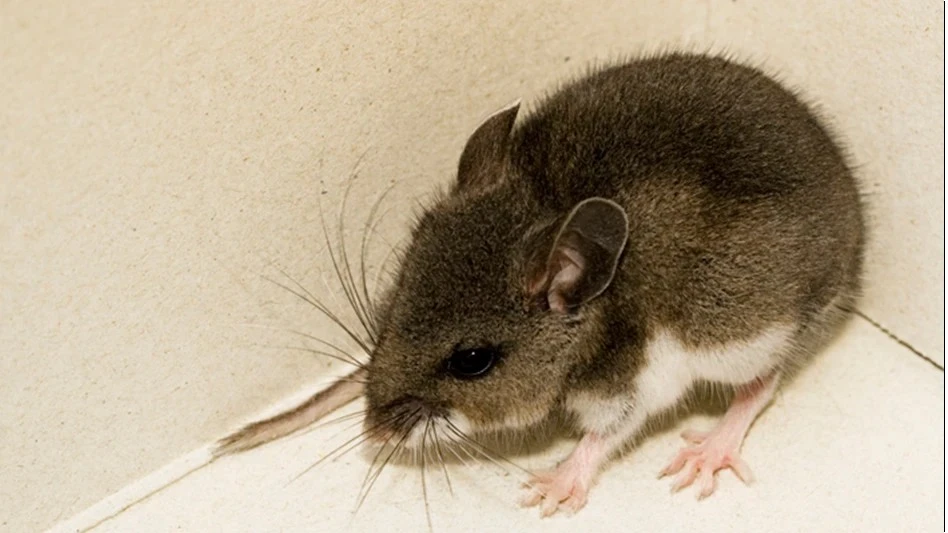
According to the Mallis Handbook of Pest Control, the Peromyscus group, including the deer mouse and white-footed mouse, is of special concern when it comes to the spread of hantavirus. Hantaviruses are generally transmitted when humans inhale aerosolized rodent urine or feces.
Stored camping trailers, summer vacation cabins, cabins in national parks and other buildings that are not used during winter months are typical situations of concern for hantavirus. Another hantavirus infection reported in the Mallis Handbook is Seoul virus (SEOV), which has emerged in the last several years, specifically in outbreaks originating from infected pet rats and their owners.
In February, the National Pest Management Association (NPMA) published information about hantavirus with results from a survey conducted by the Harris Poll on behalf of the association, which found that only 28% of Americans are aware that rodents carry diseases.
In March 2025, PCT interviewed Dr. Kathy Heinsohn, technical and training entomologist, American Pest, Fulton, Md., about the crucial purpose PMPs serve in protecting public health and bringing awareness to the diseases pests such as rodents can carry.
“And PMPs should emphasize the importance of acting quickly to mitigate risks and prevent future rodent problems,” Heinsohn told PCT. “Recommending professional pest management services is often the best way to ensure a safe and thorough approach to pest control.”
Latest from Pest Control Technology
- Envu Offers Fall Promotion for Horizon Members
- Pest Management Foundation Announces the E. Raymond Crim, III Scholarship
- Tyro Group Acquires Dowell Pest Control
- Podcast: Beyond the Pest | Ep. 14 — Dr. Zach DeVries
- Webinar: The AI-Run Pest Control Company: Hype vs. Reality, What Actually Works (and What Doesn’t)
- Select Exterminating Acquires Three Businesses Across New York and New Jersey
- Catseye Pest Control Acquires Security Pest Elimination and Biologic Pest Control
- Researchers Confirm New York's First Bourbon Virus Case