NPMA
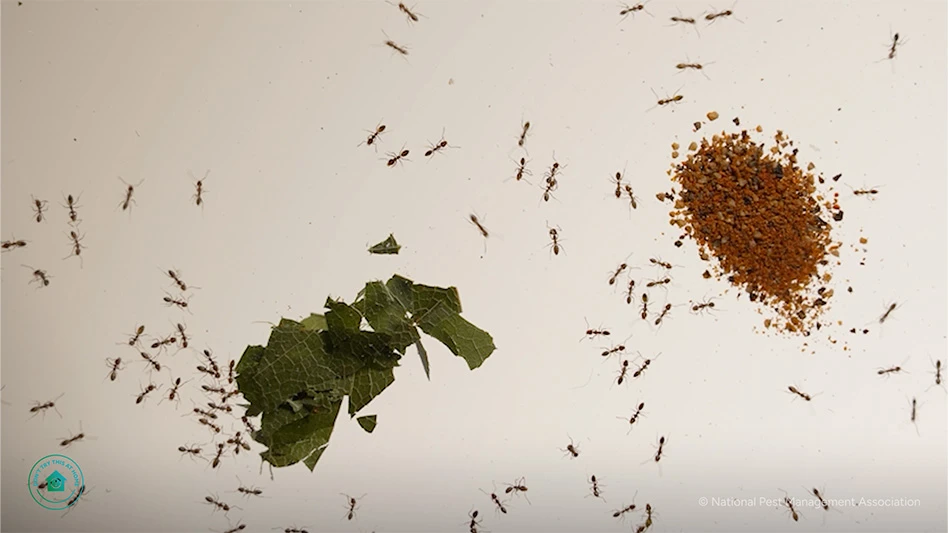
FAIRFAX, Va. — Ants are America's number one nuisance pest, and the internet has no shortage of remedies promising a quick fix. Dried bay leaves, ground pepper, vinegar spray and lemon juice are popular do-it-yourself methods on social media with countless views, but do they work?
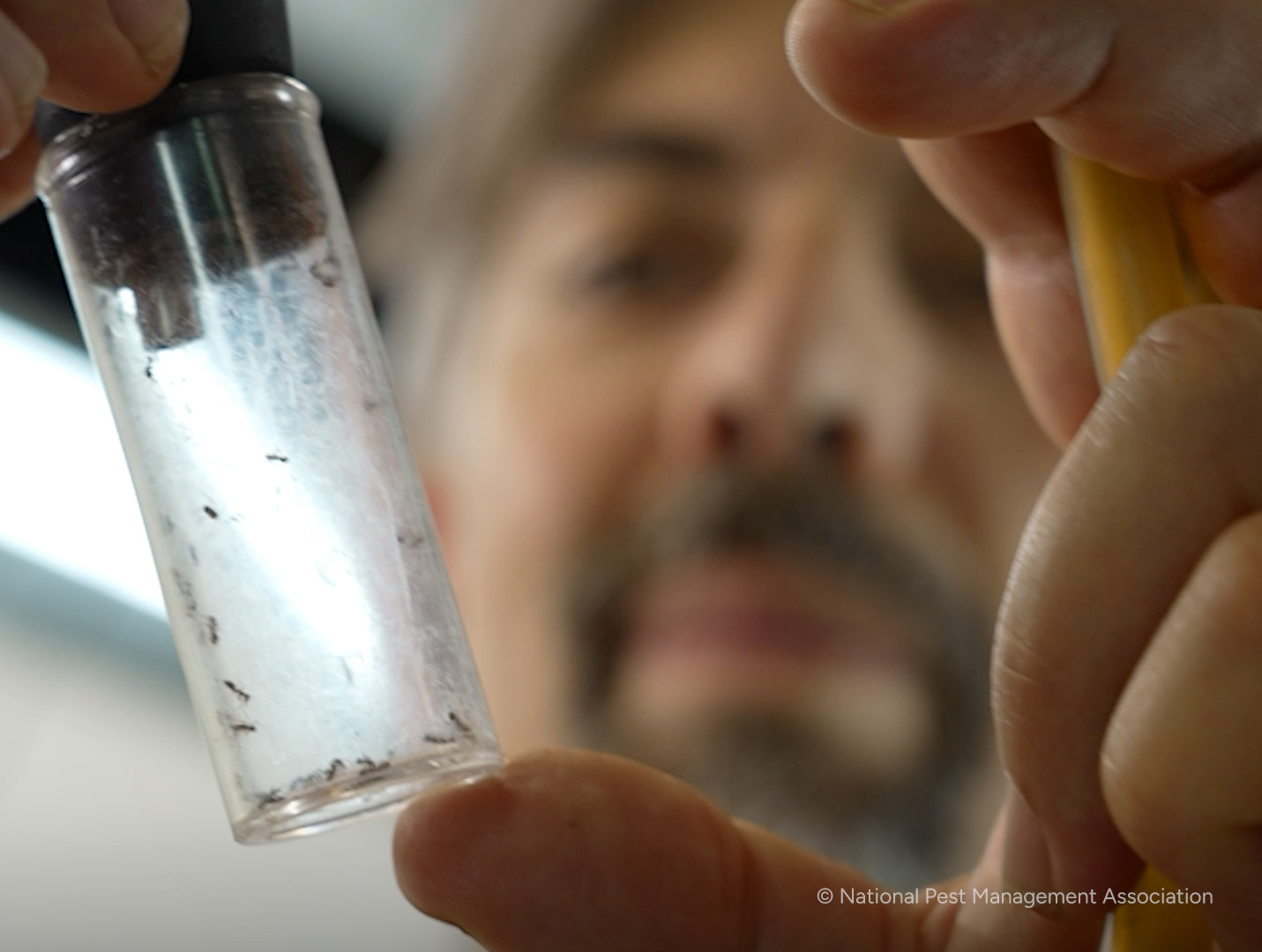
To find out fact from fiction, the board-certified entomologists at the National Pest Management Association (NPMA) tested these hacks in a fully stocked kitchen, complete with a live ant colony. The results are featured in NPMA's newest series, "Don't Try This at Home," live at DontTryThisatHome.PestWorld.org.
A survey conducted online by The Harris Poll on behalf of the NPMA found that 29% of Americans have used natural or home remedies to get rid of ants in their home, and one-in-three Americans (33%) know someone who has experienced an ant problem in their home.
"We're hearing from pest control professionals that homeowners tried a social media hack and it ended up making the problem worse," said Dr. Jim Fredericks, board-certified entomologist and senior vice president of public affairs at NPMA. "Ants live in colonies that can number into the thousands, and a quick surface fix doesn't stop them; it redirects them."
Ants are more than a nuisance; they can cause real health and structural issues. Red imported fire ants and Asian needle ants, two invasive species with an ever-expanding range, deliver painful stings that can result in welts and allergic reactions. Carpenter ants can cause serious structural damage as they tunnel through wood.
The website also features entomologist-approved tips on what really works to prevent ants from coming into your home, photos and information on the most common ant infestation culprits and a free directory to find a qualified pest control professional near you.
"Homeowners deserve straight answers from professionals, not viral guesses. When DIY reaches its limit, a qualified pest control professional knows how to find the source and solve it for good," said Fredericks.
Latest from Pest Control Technology
- Envu Offers Fall Promotion for Horizon Members
- Pest Management Foundation Announces the E. Raymond Crim, III Scholarship
- Tyro Group Acquires Dowell Pest Control
- Podcast: Beyond the Pest | Ep. 14 — Dr. Zach DeVries
- Webinar: The AI-Run Pest Control Company: Hype vs. Reality, What Actually Works (and What Doesn’t)
- Select Exterminating Acquires Three Businesses Across New York and New Jersey
- Catseye Pest Control Acquires Security Pest Elimination and Biologic Pest Control
- Researchers Confirm New York's First Bourbon Virus Case