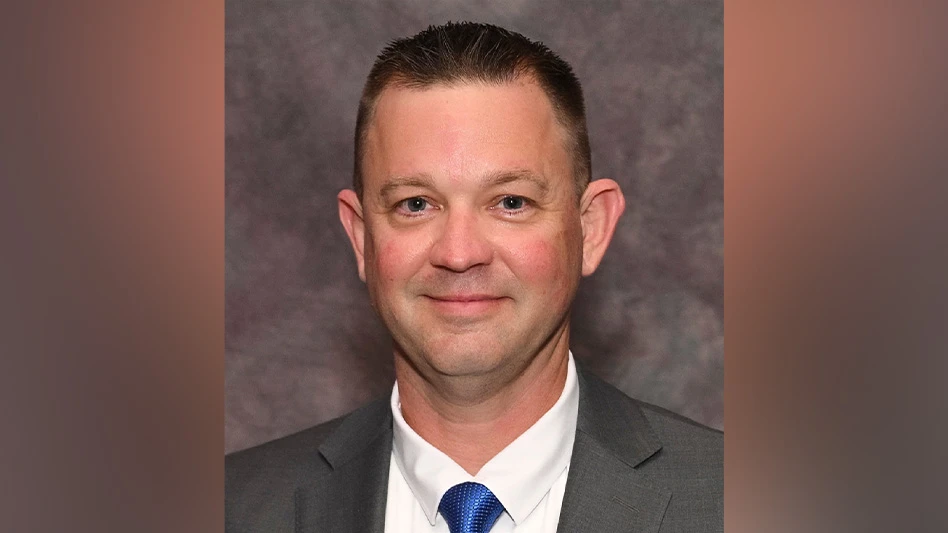
Dr. Warren Booth
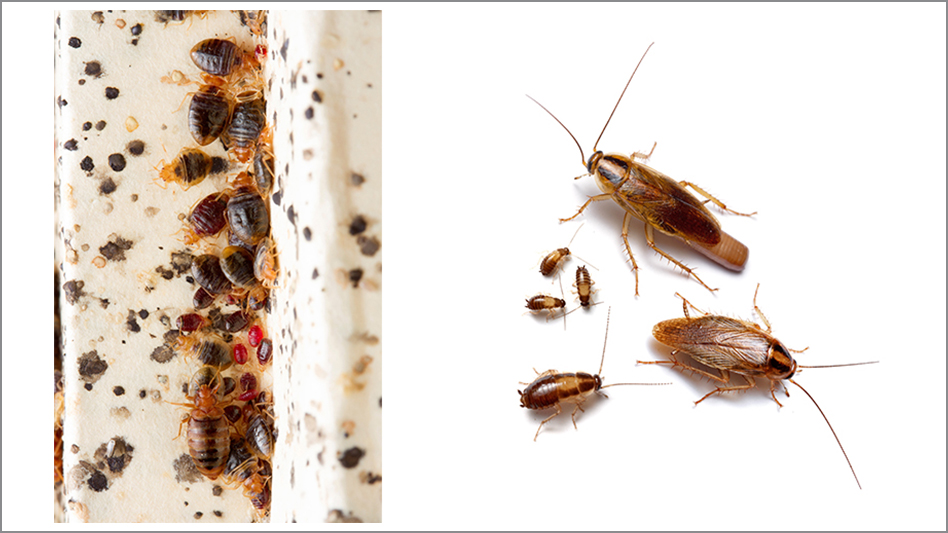
If you’ve worked in pest control for any length of time, you’ve probably noticed a frustrating trend: infestations that used to respond quickly now take more visits, more product, and more creativity to knock down. You’re not alone, and it’s not your technique. Across the country, German cockroaches and bed bugs are evolving resistance to the very insecticides that once kept them in check. This isn’t a local issue — it’s a national one. Without a coordinated way to track resistance, the pest management industry risks losing some of its most important tools.
The Resistance Challenge
Insects develop resistance in two primary ways. First, genetic mutations arise naturally as populations reproduce. If a mutation allows an insect to survive exposure to a particular active ingredient, those survivors pass that trait to the next generation. Over time, that product becomes less effective. Second, repeated exposure to sub-lethal doses, concentrations too low to kill, can trigger increased production of detoxification enzymes that break down insecticides before they can act. These physiological defenses can persist and intensify across generations. We are seeing resistance emerge in every region of the country, yet there is no unified system to track its development and spread at a national scale. Despite clear warning signs, resistance testing remains piecemeal. Universities, extension labs, and manufacturers conduct localized studies, but results rarely connect across states or companies.
A National Solution
To address this issue, we need to work smarter, not harder. As such, with support from the pest management industry across America, we seek to establish a National Insecticide Resistance Monitoring Network that would provide a unified system for tracking resistance in bed bugs, cockroaches, and potentially other structural pests.
Here’s how it could work:
• Sample Collection: PMPs across the U.S. submit populations — regardless of suspected resistance — using provided sampling kits (See sidebar for details).
• Testing: Genetic analyses identify known resistance mechanisms and emerging markers.
• Data Integration: Results feed into a centralized database maintained at Virginia Tech.
• Mapping: Interactive dashboards reveal regional resistance trends, helping technicians make informed decisions before product failures occur.
Coordinated resistance monitoring is already standard practice in agricultural systems through the United States Department of Agriculture and in mosquito control programs supported by the Centers for Disease Control and Prevention. Extending this infrastructure to structural pests would modernize our industry’s response to evolving resistance threats.
Benefits for PMPs and the Industry
Resistance monitoring isn’t just academic — it’s practical. Understanding local and regional resistance profiles can guide product selection, inform chemistry rotations, strengthen technician training programs, and support more strategic product development. Instead of reacting to failures, the industry can anticipate them. In an industry where product failures cost time, labor, and client trust, proactive resistance monitoring protects both profitability and reputation. A national network would transform local frustration into collective intelligence. When PMPs, manufacturers, and researchers share data, we move from reactive pest control to data-driven proactive pest management, guided by evidence, not trial and error.
The Technician’s Role
Every great monitoring program starts with the people in the field, and technicians are the industry’s early warning system. Technicians are the first to see resistance when a bait stops working, when a population rebounds unexpectedly, or when the usual treatments lose punch. A national monitoring program would give PMPs an easy way to submit samples, allowing researchers to track the distribution and spread of resistance while ensuring that field experience directly informs research and product development.
A Smarter, Stronger Future
Resistance isn’t going away. But with coordinated monitoring, we can stay ahead of it. A national program would connect field observations with laboratory science, transforming scattered data into actionable intelligence. In an industry built on reliability and trust, informed decision-making isn’t optional — it’s essential. The U.S. pest management industry has always adapted to change. Now it’s time to lead again.
How PMPs Can Help Build a National Resistance Monitoring Program
- Get involved. Contact Dr. Warren Booth (warrenbooth@vt.edu) to request free sampling kits based on your level of participation.
- Collect samples. When encountering infestations, save a small number of cockroaches or bed bugs using the provided kit. Dead or alive! The kit will preserve them.
- Document treatments. Record products used, number of applications, and treatment outcomes. This context is essential for interpreting resistance patterns.
- Stay informed. Follow updates through industry journals, conferences, extension bulletins, and our lab website.
All submitted data will be anonymized. The goal is not to identify individual accounts or evaluate companies, but to understand resistance patterns at regional and national scales.
This program is supported by funding from the Joseph R. and Mary W. Wilson Urban Entomology Endowment to Dr. Warren Booth at Virginia Tech.
About the Author
Dr. Warren Booth is the Joseph R. and Mary W. Wilson Endowed Associate Professor of Urban Entomology at Virginia Tech. His research focuses on urban pest population genetics, insecticide resistance, and the impacts of human environments on pest evolution. He collaborates with pest management professionals internationally to develop science-based, field-ready solutions for sustainable pest control. You can check out his lab website at – www.booth-lab.org.
Latest from Pest Control Technology
- Envu Offers Fall Promotion for Horizon Members
- Pest Management Foundation Announces the E. Raymond Crim, III Scholarship
- Tyro Group Acquires Dowell Pest Control
- Podcast: Beyond the Pest | Ep. 14 — Dr. Zach DeVries
- Webinar: The AI-Run Pest Control Company: Hype vs. Reality, What Actually Works (and What Doesn’t)
- Select Exterminating Acquires Three Businesses Across New York and New Jersey
- Catseye Pest Control Acquires Security Pest Elimination and Biologic Pest Control
- Researchers Confirm New York's First Bourbon Virus Case