John Gilardi/Island Conservation
WAKE ISLAND — Wake Atoll, an unincorporated territory of the United States situated approximately 2,138 nautical miles west of Honolulu, Hawaii is experiencing a cascade of positive ecological, infrastructural and human health and safety-related changes thanks to the successful eradication of introduced, damaging invasive rats, an outcome many once considered nearly impossible due to the island’s remoteness, harsh weather, sensitive infrastructure and operational complexity.
This multi-agency collaboration by Island Conservation, the United States Department of Agriculture (USDA) and the United States Air Force Civil Engineering Squadron has produced outcomes benefiting both nature and people, demonstrating how strong partnerships can deliver measurable, landscape scale conservation outcomes while reinforcing mission readiness and national security.
"We're astonished and thrilled at the results of this work," said Tommy Hall, project manager at Island Conservation. Hall, and this project, recently earned recognition from the U.S. Undersecretary of Agriculture for its astounding success, highlighting its importance as a model for collaborative conservation. "Wake Atoll's recovery demonstrates what's possible when organizations unite for a shared vision. These benefits will strengthen the island's ecosystem, but they'll also help Wake's inhabitants thrive, now that we've removed the threat to important infrastructure, making food and water safe from contamination."
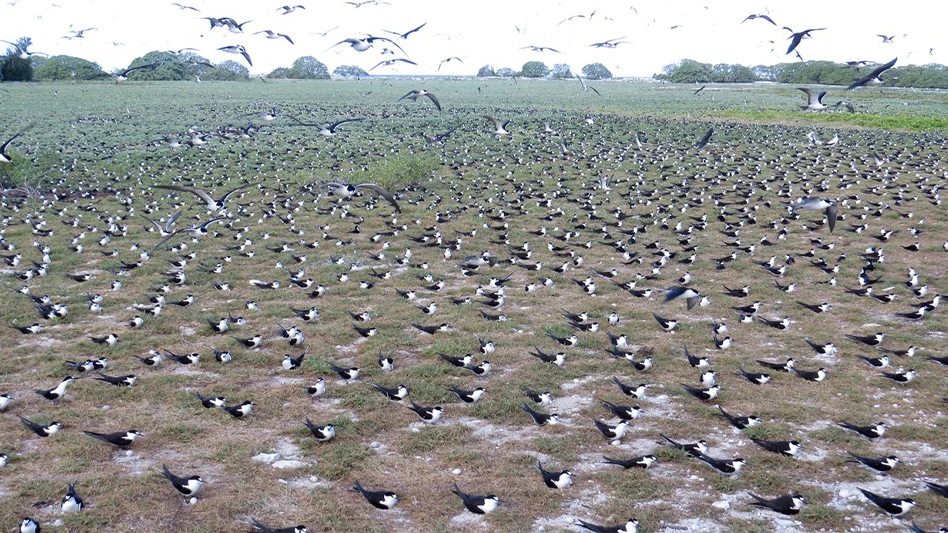
Island Conservation said sixteen species of nesting native birds are reappearing and increasing in number without invasive rodents devouring their eggs and young. A newly discovered Bonin Petrel (or Nunulu in Hawaiian) colony marks the first documented nesting of this species on Wake Atoll, while the atoll’s globally significant population of Sooty Terns enjoyed a record-breaking breeding season. Other native seabirds, including Laysan Albatross, Wedge-tailed and Christmas Shearwater, Black-footed Albatross, Red-footed Booby and Red-tailed Tropicbird, are also showing early signs of increased nesting activity and improved reproductive success. Together, these responses underscore the rapid and far-reaching ecosystem improvements that can follow sustained conservation action, the organization said.
Beyond seabirds, populations of geckos, skinks, spiders, moths and hermit crabs have surged—all indicators of a healthy, recovering ecosystem. Island Conservation said the island’s vegetation is rebounding dramatically, with thousands of new native Pisonia tree seedlings emerging where none were previously seen.
"The rats consumed virtually all of the Pisonia seeds. I had never seen a seedling before the rat eradication. Now there are hundreds, if not thousands, of Pisonia seedlings,” said John Gilardi, an ornithologist working with Island Conservation.
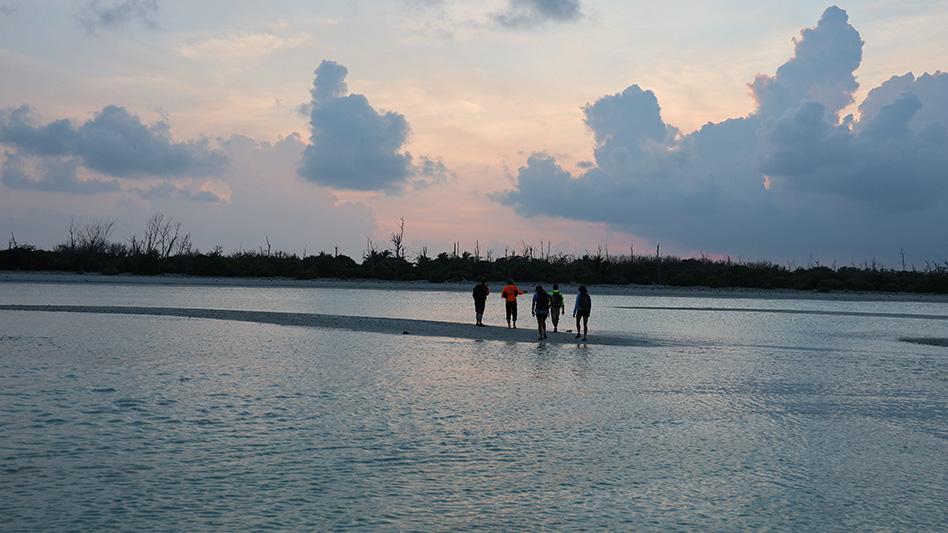
The organization said personnel stationed on Wake Atoll are also benefiting from the island’s renewal. With the island free of invasive rats, the risk of disease transmission is significantly reduced, and critical infrastructure, including food-prep facilities, equipment storage and living quarters, is now cleaner, safer and more secure. Temporary personnel residing on the island report increased morale, reduced stress and pride in their island home. Inspired by the island’s recovery, many have organized beach cleanups and other conservation activities, Island Conservation said.
The lessons learned at Wake Atoll, ranging from innovative operational logistics to refined application of restoration technologies, are expected to shape global best practices for complex, multi stakeholder island eradications. The project is already being referenced as a model for large scale ecological restoration in remote environments, the organization said.
Bell Laboratories has long supported rodent eradication initiatives in sensitive ecosystems and has supplied rodenticides for Island Conservation projects around the world, including Wake Atoll.
Latest from Pest Control Technology
- Envu Offers Fall Promotion for Horizon Members
- Pest Management Foundation Announces the E. Raymond Crim, III Scholarship
- Tyro Group Acquires Dowell Pest Control
- Podcast: Beyond the Pest | Ep. 14 — Dr. Zach DeVries
- Webinar: The AI-Run Pest Control Company: Hype vs. Reality, What Actually Works (and What Doesn’t)
- Select Exterminating Acquires Three Businesses Across New York and New Jersey
- Catseye Pest Control Acquires Security Pest Elimination and Biologic Pest Control
- Researchers Confirm New York's First Bourbon Virus Case