Courtesy of FAO
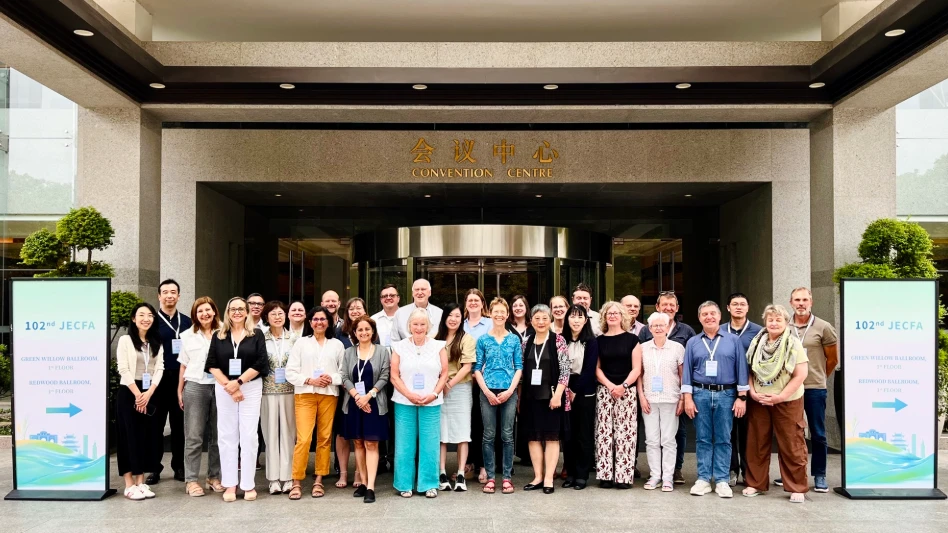
NANJING, China — From natural sweeteners and food additives to contaminants in food-grade materials, a panel of international experts has completed the latest scientific evaluations that will help shape food standards used around the world, the Food and Agriculture Organization of the United Nations (FAO) reported of the 102nd Joint FAO/WHO Expert Committee on Food Additives (JECFA) meeting, held in Nanjing, the People's Republic of China.
JECFA also announced that the Summary Report of the 102nd meeting has now been published.
Drawing on expertise from diverse scientific backgrounds, the Committee worked through JECFA's internationally recognized risk assessment framework to develop scientific advice in support of consumer protection and fair practices in international food trade.
The meeting responded to requests for scientific advice from four Codex Committees covering food additives, contaminants in foods, fats and oils, and nutrition and foods for special dietary uses.
Among the topics considered were specifications for food additives and processing aids, together with limits for lead and previous cargo contaminants. The Committee evaluated or re-evaluated a broad range of substances, including β-carotenes and β-apo-8'-carotenal, monk fruit extract, neohesperidin dihydrochalcone, phosphates (Sodium dihydrogen phosphate (INS No. 339(i)), disodium hydrogen phosphate (INS No. 339(ii)), trisodium phosphate (INS No. 339(iii)), potassium dihydrogen phosphate (INS No. 340(i)), dipotassium hydrogen phosphate (INS No. 340(ii)) and tripotassium phosphate (INS No. 340(iii))), polysorbates, sorbitan esters, steviol glycosides, glycolipids, potassium hydrogen sulfite (aqueous), thaumatin II, tricalcium phosphate, calcium lignosulfonate liquid, and lead levels in activated carbon (activated charcoal), bentonite and diatomaceous earth.
JECFA's scientific advice forms the evidence base for the development of international food standards by the Codex Alimentarius Commission.
Latest from Quality Assurance & Food Safety
- Taylor Farms Removes Iceberg Lettuce Sourced from Mexico Amid Cyclospora Outbreak
- FDA, CDC Tie Multistate Cyclospora Outbreak to Taco Bell Lettuce
- BCG and CGF Release New Report on AI Usage by CPG and Retail Companies
- IntelliAM AI Launches Industrial Intelligence Platform
- QA Virtual Conference to Explore Pest Control Strategies for Food Facilities
- Klobuchar Urges CDC, FDA to Restore Food Safety Funding as Cyclosporiasis Cases Rise
- Cyclosporiasis Cases Continue to Surge Nationwide
- Perten Announces Launch of LactoScope 500