Adobe Stock | 279photo
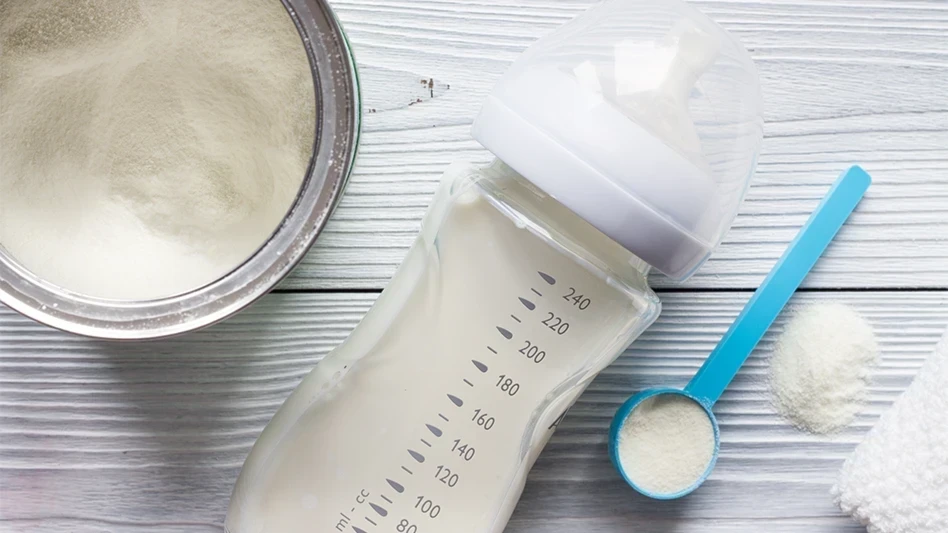
The U.S. Food and Drug Administration (FDA) sent a letter to the infant formula industry and supply chain partners July 13 highlighting recent infant botulism and cereulide contamination cases and calling for increased vigilance by industry to ensure the safety of ingredients and infant formula products.
The letter, signed by Acting Deputy Commissioner for Food Donald A. Prater, is directed to manufacturers, packagers, distributors, exporters, importers and retailers involved in the manufacturing or distribution of infant formula and infant formula ingredients.
FDA has investigated two multistate outbreaks of infant botulism associated with two separate brands of powdered infant formula — ByHeart and Nara Organics — resulting in voluntary recalls and an ongoing FDA investigation into shared ingredient suppliers.
In addition, a global contamination event occurring late 2025 through early 2026 resulted in nearly 150 suspected and confirmed cases of cereulide intoxication across 10 countries, traced to contaminated arachidonic acid (ARA) oil used as an ingredient in infant formula, said FDA. This prompted multiple global downstream recalls and a supplier of ARA oil being added to multiple import alerts.
Manufacturer Responsibility: Know Your Suppliers.
FDA said it expects manufacturers to exercise substantive oversight of their suppliers, including understanding where their ingredients come from, how they are produced, what risks they may carry and whether those risks are effectively controlled. When a contaminated ingredient or supplier concern is identified, whether by FDA or through industry’s own monitoring, manufacturers are expected to act swiftly to assess and address the risk, the agency said.
FDA recommended that infant formula manufacturers and their supply chain partners stay abreast of applicable recall notifications, outbreak investigations and import alerts. Experience has shown that ignoring or downplaying these safety signals can lead to increased risks to infants and preventable public health events, said the agency.
FDA Actions.
FDA said it acknowledges the challenges in managing the risks related to spore-forming microbes in infant formula ingredients and recognizes there might not be a single approach for addressing them. The agency said it is prepared to work with industry to identify best practices and will continue to solicit advice from experts in academia and international scientific bodies, such as the Codex Committee on Food Hygiene and the International Commission on Microbiological Specifications for Foods.
FDA is continuing to investigate the root causes of the 2025 and 2026 infant botulism outbreaks associated with powdered infant formula and has completed initial surveillance to better understand the prevalence of Clostridium botulinum in powdered milk. Results are available here.
“FDA expects the infant formula industry to know its suppliers, enforce its ingredient standards and take proactive, verifiable steps to ensure that the ingredients entering its facilities do not introduce avoidable risk,” read the conclusion of FDA’s letter. “When a contaminated ingredient or supplier concern is identified, manufacturers are expected to act swiftly to assess and address that risk. FDA will continue to use all available tools to protect infants, and we expect industry to uphold these standards to meet that commitment with the gravity our shared responsibility demands.”
Read the full letter here.
Latest from Quality Assurance & Food Safety
- Taylor Farms Removes Iceberg Lettuce Sourced from Mexico Amid Cyclospora Outbreak
- FDA, CDC Tie Multistate Cyclospora Outbreak to Taco Bell Lettuce
- BCG and CGF Release New Report on AI Usage by CPG and Retail Companies
- IntelliAM AI Launches Industrial Intelligence Platform
- QA Virtual Conference to Explore Pest Control Strategies for Food Facilities
- Meat and Poultry Companies Adopt Product of USA Label
- Klobuchar Urges CDC, FDA to Restore Food Safety Funding as Cyclosporiasis Cases Rise
- International Experts Share New Scientific Advice to Support Global Food Safety at 102nd JECFA Meeting