Editor’s note: This article was submitted by David Schaedel, digital marketing manager at Walker Pest Management, Greenville, S.C. Schaedel co-authored the article with Walker Pest Management Business Administrator Amity Marcy.
Artificial intelligence is reshaping customer support across nearly every industry. Automated chat, instant responses, and self-service systems promise speed, efficiency, and convenience. And in many ways, those tools do add value.
But as more companies shift toward automation-first support, something important can be lost: the human connection.
We believe technology should enhance service not replace it. In a world moving quickly toward automation, human-first support is becoming one of the clearest ways to deliver real value, build trust, and stand apart.
Start With Access: Customers Need Real Options. Great support begins with accessibility.
If customers feel like they only have one or two ways to reach your company, frustration begins immediately. People want flexibility, and the ability to contact you in the way that fits their situation, whether that’s calling the office, texting their technician, or emailing the team. Convenience matters, but choices matter more.
When customers know they can reach a real person when they need to, anxiety decreases and trust increases.

“Support should feel accessible,” said Amity Marcy, business administrator for Walker Pest Management. “When customers know they can reach a real person on a platform they prefer quickly and easily, the entire experience becomes easier and more reassuring.”
Access is the foundation of good support. Without it, even great service becomes harder to deliver.
Consistency Across Every Channel. How customers contact you should never determine the quality of help they receive.
If calling the office results in excellent service but texting or messaging feels limited, customers quickly notice the gap, and their frustration grows. Support must feel consistent, knowledgeable, and capable across every channel. While AI tools have grown significantly and will continue to transform, they can often feel inconsistent or they are missing important context.
Customers shouldn’t feel forced to “use the right method” to get real help. They should feel confident that no matter how they reach out, they will receive the same level of care, account knowledge, or expertise. When they don’t have to go through multiple people, tools, or departments to get help, that consistency builds reliability and trust.
Familiar Voices Build Stronger Relationships. One of the most overlooked strengths of human support is familiarity.
When customers interact with the same people across different touchpoints, relationships begin to form. The conversation becomes easier. The trust becomes deeper. The experience becomes personal rather than simply transactional.
Local, human support continues to be one of the strongest differentiators in service industries. Technology can respond quickly, but people create meaningful connections.
“Customers don’t just want answers,” Marcy said. “They want to feel heard. They have a unique pest problem, and they want to talk to someone who understands that. When they recognize who they’re talking to and know we understand their situation, confidence builds naturally.”
Human connection turns routine conversations into meaningful support.
Convenience vs. Connection. Automation is appealing for a reason. It is fast, scalable, and efficient. But efficiency alone does not create great customer experiences.
Most people appreciate convenience, but they also want to feel understood and validated. The difference between speaking to automated support systems and a real person is immediately noticeable. That difference often determines whether a customer avoids frustration, moves forward confidently, and ultimately chooses to work with your company. In many cases, the human interaction is what turns a conversation into a decision.
Every Problem Deserves Real Attention. In pest control, no two homes, and no two pest problems, are exactly the same.
Even when pricing structures are standardized, each customer’s situation is unique. Their concerns, urgency, and expectations vary. Treating those concerns with genuine attention shows respect and professionalism.
Customers should never feel like their issue is simply being processed. They should feel like it is being understood and solved.
“Even when the solution is straightforward, the customer’s concern is real,” Marcy said. “Slowing down and taking time to understand their situation ensures that they feel heard and valued before we offer a solution. The biggest part of our job is to be a trusted supporter who listens and understands the issues they are facing before we jump into fixing the problem.”
Attention builds confidence, confidence builds trust, and trust builds loyalty.
AI Has a Role But It Should Support, Not Replace. Artificial intelligence is a powerful tool. It can provide quick answers, handle simple requests, improve efficiency, and support internal operations, but when AI becomes a barrier between customers and real people, everyone loses.
Everyone knows the frustration of trying to get through an automation system and speak to a real person. Customers should never feel trapped in automation or unable to quickly reach a human when needed. Technology should remove friction not create it.
The strongest service organizations use AI to support human teams, not replace them.
Where Great Service Really Begins. Customer service does not start with the technician it starts with the first interaction with the office.
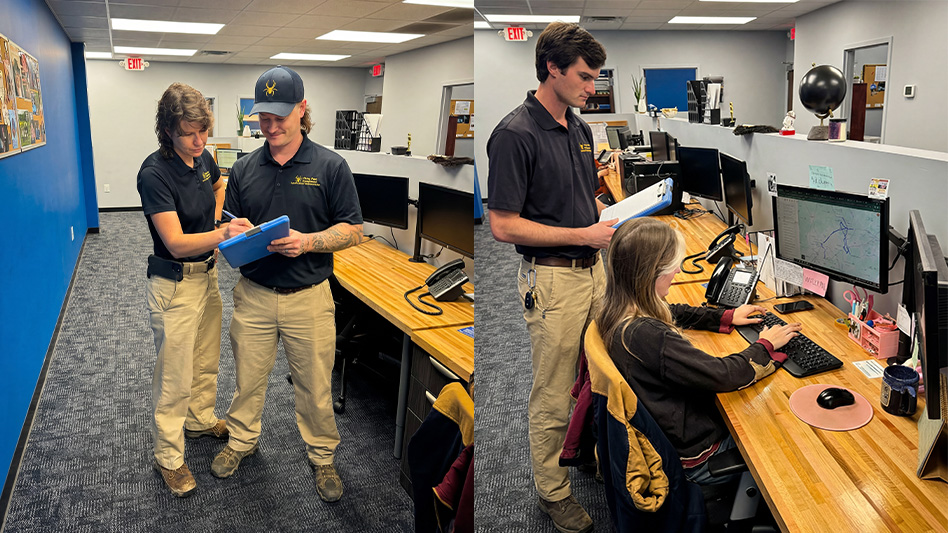
That first conversation sets expectations, builds confidence, and shapes the customer’s perception of your company. When human support is accessible, knowledgeable, consistent, attentive, and supportive, that creates an elevated experience.
Why Human-First Support Matters More Than Ever. As more businesses lean heavily into automation, human support is becoming a differentiator not a default.
Companies that maintain strong, accessible, people-focused support teams will stand out because:
- Customers feel heard
- Trust grows faster
- Frustration decreases
- Decisions become easier
- Relationships last longer
Technology can improve service, but human relationships are what make service meaningful.
“AI will continue to evolve, but the need for human understanding and support will never disappear,” Marcy said. “AI tools should work with the team to allow them more time to support and serve the customer. The best tools will not replace people but allow them to serve customers better.”
Human-first support means:
- Real access to real people
- Consistent help across every channel
- Familiar voices and trusted relationships
- Listening and understanding before solving
- Using technology as a tool not a barrier
When customers feel supported from their very first interaction, everything that follows becomes stronger.
Great service isn’t just about solving problems. It is about making people feel heard and understood.
Latest from Pest Control Technology
- Envu Offers Fall Promotion for Horizon Members
- Pest Management Foundation Announces the E. Raymond Crim, III Scholarship
- Tyro Group Acquires Dowell Pest Control
- Podcast: Beyond the Pest | Ep. 14 — Dr. Zach DeVries
- Webinar: The AI-Run Pest Control Company: Hype vs. Reality, What Actually Works (and What Doesn’t)
- Select Exterminating Acquires Three Businesses Across New York and New Jersey
- Catseye Pest Control Acquires Security Pest Elimination and Biologic Pest Control
- Researchers Confirm New York's First Bourbon Virus Case