WASHINGTON — On April 30, the U.S. House of Representatives passed the Farm, Food and National Security Act of 2026 (H.R. 7567) with a final vote of 224-200.
Not included were all three pesticide- related provisions, including Section 10206, which reaffirms the authority of states to regulate pesticide use.
The National Pest Management Association (NPMA) and others have long championed state pesticide preemption, which they say prevents a patchwork of local ordinances that could create inconsistency for both consumers and service providers.
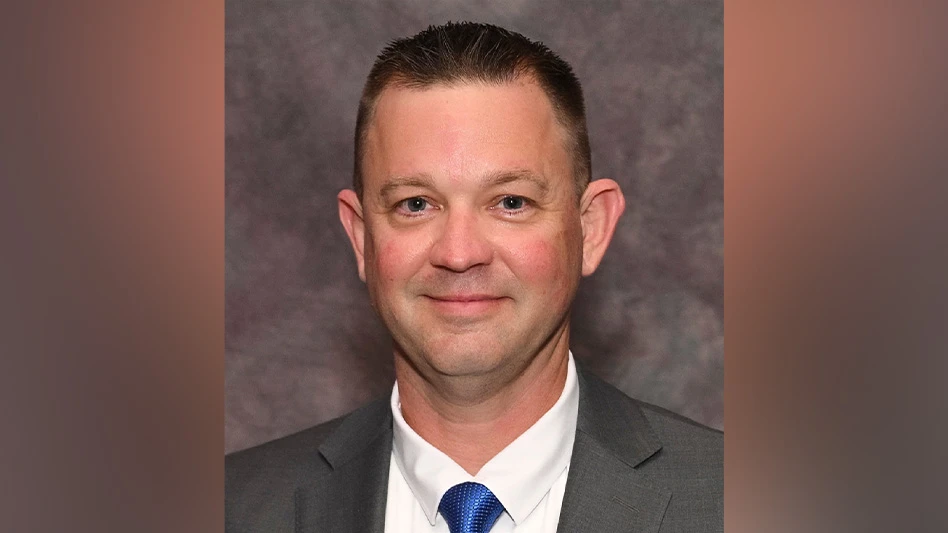
Megan Striegel, senior director of public policy, NPMA, expressed disappointment in the outcome. “Section 10206 as written provides greater regulatory clarity and consistency, which are critical for the professional pest management industry that operates across multiple jurisdictions,” Striegel told PCT.
Striegel noted that while pesticide issues drew attention, they were not the primary driver behind the House’s vote. “There has been renewed and growing interest among members of Congress in the resiliency and structure of the U.S. food system since 2024, and pesticides have increasingly become part of that broader conversation due to their essential role in food production,” she said.
For pest management professionals (PMPs), there will be no immediate changes as a result of this vote, but Striegel cautioned of longer-term risks. “The long-term concern remains on the erosion of state pesticide preemption frameworks, which could open the door to increased local regulations,” she said.
NPMA made clear that preemption remains a top priority. “State pesticide preemption is not a dead issue. Ensuring regulatory certainty and consistency across jurisdictions is fundamental to our members’ ability to operate effectively and responsibly,” said Striegel, adding that the association will continue pursuing opportunities at both the federal and state levels.
That long-term commitment, Striegel noted, depends in large part on sustained engagement from the industry itself.
“PMPs should remain actively engaged in NPMA’s advocacy efforts at both the federal and state levels. Continued education of policymakers, particularly at the state and local level, will be essential to reinforcing the importance of uniform, science-based regulation and the public health benefits our industry provides,” Striegel said. — Brad Harbison
Three People Dead from Hantavirus Outbreak on Atlantic Ocean Cruise
CAPE TOWN, South Africa — A hantavirus outbreak on the MV Hondius cruise ship in the Atlantic Ocean killed three people — a Dutch couple and a German citizen — and left at least three other passengers ill, the World Health Organization (WHO) reported on May 2.
According to the U.S. Centers for Disease Control and Prevention (CDC), the passengers contracted Andes virus, a type of hantavirus endemic in South America that is the only type of hantavirus known to spread from person to person.

The MV Hondius cruise ship outbreak raised the possibility of cases being imported to the United States. According to CDC, as of May 18, no confirmed cases of Andes virus associated with the outbreak on the cruise ship have been reported in the U.S. Therefore, the overall risk to the American public is still considered extremely low at this time.
CDC and health departments in several states are monitoring the health of U.S. passengers from the ship and U.S. air travel contacts of symptomatic ship passengers who were subsequently confirmed to have Andes virus infection.
Pest management professionals (PMPs) are continuing to monitor hantavirus outbreaks, both globally and in the U.S. The first 2026 hantavirus detection in the U.S., was reported in San Diego, Calif., in January, after a Western harvest mouse tested positive for the virus, according to the San Diego County News Center. — McKenna Christy
Orkin Celebrates 125 Years
ATLANTA — In 2026, Orkin is marking its 125th anniversary by highlighting what it calls a continuous evolution in how the company protects homes, businesses and communities. From Orkin’s earliest days addressing basic rodent challenges to today’s science- driven pest management strategies, the Atlanta-based firm said its history is defined by its ability to adapt, innovate and lead in a constantly changing environment.

As pest pressures, environmental conditions and public health concerns have shifted over time, Orkin said it has evolved alongside them, not only responding to new challenges, but helping shape how the industry approaches them. What began as foundational pest control services has grown into a comprehensive approach grounded in entomology, data and proactive prevention, enabling customers to stay ahead of emerging threats, Orkin said.
“For 125 years, customers have trusted Orkin to protect what matters most,” said Patrick Chrzanowski, president of Orkin. “That trust reflects how we’ve grown as a company — by investing in our people, advancing our science and continuously improving how we serve our customers. Our Orkin pros have always been at the center of that evolution, and their expertise ensures we keep moving forward.”
With 125 years of progress behind it, Orkin said it continues to build on its legacy of innovation. And as climate patterns shift, urban environments expand and new public health risks emerge, Orkin said it must continue evolving through stronger research, enhanced education and deeper scientific expertise to meet changing demands and advance public health outcomes.
Watch a timeline of milestones that shaped the company during the last 25 years.
NPMA Launches Technology Adopter Award
FAIRFAX, Va. — The National Pest Management Association announced the creation of the NPMA Technology Adopter Award, sponsored by FieldRoutes. The award recognizes NPMA member companies that use technology to improve operations, support workforce development and drive growth.
The award is open to active NPMA members in good standing. Applications will be evaluated in five areas: technology integration, business growth, operational efficiency, workforce development and innovation. Applications ask companies to describe the technologies they’ve adopted, the impact on their operations and workforce, and the specific technology decision that most shaped the company’s trajectory.
The recipient will be selected by NPMA and FieldRoutes representatives and recognized at PestWorld 2026.
Yellow-Legged Hornet Confirmed in Washington
OLYMPIA, Wash. — The Washington State Department of Agriculture is monitoring for possible yellow-legged hornets after a live insect was found on a vessel at the Port of Vancouver.
The invasive species, Vespa velutina, has spread rapidly in Europe, where officials say it has reduced honey bee hives and honey production by about 30%. The hornet was first detected near the Port of Savannah, Ga., in 2023 and has since spread into South Carolina, where eradication efforts are underway.
The hornet was discovered April 30 during a routine grain inspection by a WSDA inspector, who photographed the insect aboard a ship at the port. The hornet was destroyed, but the image was forwarded to the WSDA Pest Program, where entomologists identified it as a likely yellow-legged hornet. — Source: WSDA
Explore the June 2026 Issue
Check out more from this issue and find your next story to read.
Latest from Pest Control Technology
- Envu Offers Fall Promotion for Horizon Members
- Pest Management Foundation Announces the E. Raymond Crim, III Scholarship
- Tyro Group Acquires Dowell Pest Control
- Podcast: Beyond the Pest | Ep. 14 — Dr. Zach DeVries
- Webinar: The AI-Run Pest Control Company: Hype vs. Reality, What Actually Works (and What Doesn’t)
- Select Exterminating Acquires Three Businesses Across New York and New Jersey
- Catseye Pest Control Acquires Security Pest Elimination and Biologic Pest Control
- Researchers Confirm New York's First Bourbon Virus Case