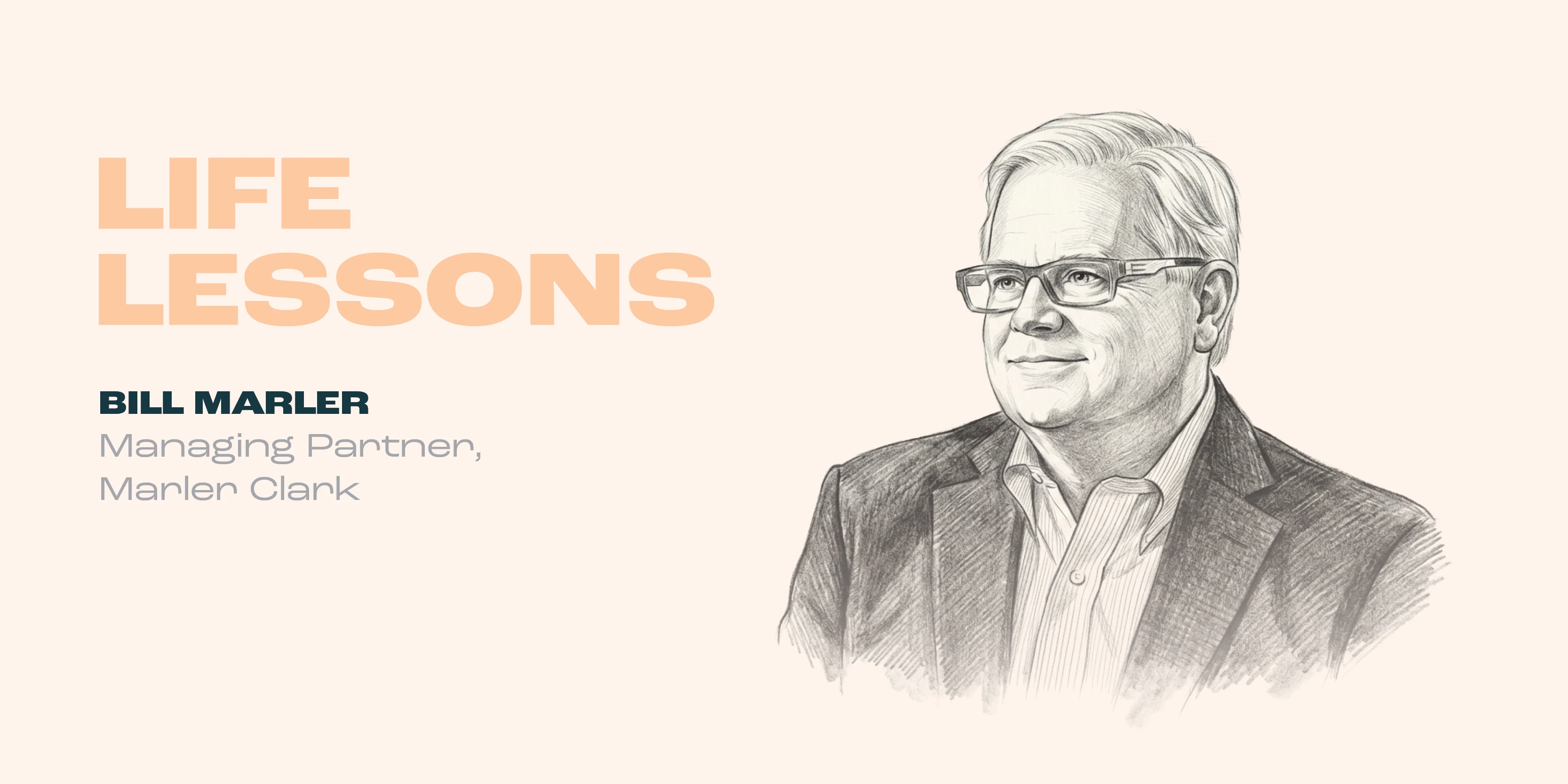
Bill Marler was once an early-career lawyer in the Seattle area, taking all kinds of cases that would get him to trial. His career completely changed after representing a woman who slipped and fell at work.
In January 1993, the first case in the Jack in the Box E. coli outbreak was reported, ultimately resulting in the deaths of four children due to undercooked burgers. The woman Marler had helped with her worker’s compensation case reconnected with him during this time.
“She was friends with one of the Jack in the Box victims,” said Marler. “She called me and said, ‘Hey, my friend’s kid is in the hospital.’ That was the very beginning of figuring this out. I met the family and ended up filing essentially one of the very first Jack in the Box lawsuits.”
At 19, while an undergraduate at Washington State University, Marler became the youngest person and first student elected to Pullman (Wash.) City Council, where he became acquainted with university reporters who went on to work professionally in the area. After calling a reporter to discuss the lawsuit he filed on behalf of Brianne Kiner, a 9-year-old victim and survivor of the Jack in the Box outbreak, and her family, Marler became the face of the outbreak’s legal side, speaking on TV almost nightly. Not only did Marler become a front-facing leader, but he also dove into the documents that uncovered the truth of the case.
“I was the one that uncovered the documents that ultimately implicated Jack in the Box in knowingly undercooking hamburgers and violating the food code,” he said. “I wound up representing a lot of the really seriously injured children.”
Kiner received a $15.6 million settlement from the lawsuit, and Marler represented more than 100 other victims of the outbreak. Following the Jack in the Box case, lawyers around the country began to refer foodborne illness cases to Marler, leading him to consider focusing his legal specialty on food safety.
Marler reached out to Bruce Clark, former chief counsel for Jack in the Box during the outbreak, to bring him on as a partner at the firm he worked at, because he was the only other lawyer Marler knew of with experience in this area of law. Instead, in September 1998, the two opened their own firm, Marler Clark.
“Since then, we’ve been involved in every major and minor foodborne illness outbreak that’s occurred in the U.S., and several around the world,” said Marler.
From helping push the Food Safety Modernization Act into law to his prominent role in the 2023 Netflix documentary “Poisoned: The Dirty Truth About Your Food,” Marler shared more with QA about his legal career in food safety, where he thinks he’s made a difference and what he hopes comes next in the fight against foodborne illness.
From 1993 to 2000, like 90% of what I did was E. coli cases linked to hamburger. Finally, it became an adulterant. There was testing, there were recalls, there were lawsuits; it became really expensive to deal with it. [The government and companies] finally just said, ‘OK, fine.’ The proof is in the fact that I hardly ever have an E. coli case linked to hamburger. It’s good news. The work that was done in the ’90s, there’s absolutely no question that it saved kids’ lives.
I’m lucky in the sense that I’ve been doing this kind of work since 1993. I really enjoy what I’m doing. I think that the work that I’ve done both as a lawyer and as a food safety advocate has made a difference to my clients’ lives.
[My career has] been a blast. I can’t believe how fast it’s gone. And there’s still more to do. I was thinking about the last scene of [‘Poisoned’] where I was like, ‘Well, I guess it’s time to get back to work.’ I think in the doc it shows that some of it’s been pretty frustrating. I really do think we should have made more progress. There’s just things that drive me nuts, like romaine lettuce E. coli outbreaks. We haven’t come to grips with the environmental contamination that causes it and what we could do to fix that.
Half of the 1.3 million Americans who get Salmonella every year, it’s likely that comes from chicken. But we can’t seem to take that step that we did with hamburger. Nothing’s perfect, but you can’t be the person that makes perfect the enemy of good. Sometimes I think the best thing we can do is do as good as we can.
My hope for the future is that companies and people feel comfortable about being transparent, that they feel comfortable sharing knowledge with their competitors and the public to tell the truth and not avoid difficult things.
Explore the May/June 2026 Issue
Check out more from this issue and find your next story to read.
Latest from Quality Assurance & Food Safety
- Taylor Farms Removes Iceberg Lettuce Sourced from Mexico Amid Cyclospora Outbreak
- FDA, CDC Tie Multistate Cyclospora Outbreak to Taco Bell Lettuce
- BCG and CGF Release New Report on AI Usage by CPG and Retail Companies
- IntelliAM AI Launches Industrial Intelligence Platform
- QA Virtual Conference to Explore Pest Control Strategies for Food Facilities
- Meat and Poultry Companies Adopt Product of USA Label
- Klobuchar Urges CDC, FDA to Restore Food Safety Funding as Cyclosporiasis Cases Rise
- International Experts Share New Scientific Advice to Support Global Food Safety at 102nd JECFA Meeting