Small flies present a number of challenges to PMPs seeking control. Compared to more common flying insects PMPs encounter, such as house flies, small flies are particularly troublesome because they include a wide range of species with distinct identifying characteristics, breeding habits and behaviors.
The State of the Small Fly Market Report shows that fruit flies are by far the most troublesome, with 84% saying they are the most commonly problematic. For 73%, drain (moth) flies were an issue, followed by fungus gnats (55%) and phorid flies (50%).

Gil Bloom, associate certified entomologist (A.C.E.) and president of fourth-generation pest control firm, Standard Pest Management, Astoria, N.Y., said the biggest challenge is cleanliness.
“It is and always has been about combating client sanitation issues,” Bloom said. “Being able to identify breeding sites from soda guns to lose tiles, or on occasion fungus gnats from plants” is what’s so critical when it comes to identification.
Those surveyed said the small fly calls closely matched the PMP responses for the issues considered most troublesome. Customers first called for fruit flies (47%), drain/moth flies (29%), phorid flies (12%) and fungus gnats (10%).
During the last year, respondents stated that calls for small fly control jobs increased by 29% while only 5% said that the number of jobs decreased. The remainder answered that the number didn’t change from 2025.
HOW THEY BREED. “Fruit flies, phorid flies and drain flies are the top three most common in our area,” said Adam’s Pest Control’s Hornemann, who broke down the top small fly species he encounters in accounts and how they breed:
- Fruit flies — Overripe fruit, trash, bar drains, anywhere sugary residue can be found.
- Phorid flies — Decaying organic matter, often in hard-find-areas like under the concrete.
- Drain flies — Organic matter in drains, sump pits, any moist areas with organic matter in them.
Hornemann said small flies often aren’t considered significant pests by customers.
“This situation largely stems from a do-it-yourself culture and a lack of specific knowledge regarding the identification, biology and habits of the various small fly species encountered,” he said.
Hornemann said many people do not assign the same value to treating small flies as they would to, say, a German cockroach. “To some, a small fly infestation seems merely bothersome, whereas a cockroach infestation immediately suggests a health hazard. The reality, however, is that both pests can pose a significant health risk,” he said.
Still, small fly control presents PMPs with an opportunity. Nearly half (48%) said they have grown a small fly-only service call into a recurring pest control customer.

PMPs shared how they treat for small flies in trash compactors.
Suburban Pest Control’s Best said that he uses a step-by-step management process.
“A thorough inspection of the chute system starts at the compactor room. Inspecting the compactor unit itself for organic buildup around the intake, hopper and ram surfaces,” Best said.
Best inspects the compactor room floor drains for biofilm and moisture, then works upward. “I examine each chute intake door on every floor for organic residue, grease streaking, and live or dead fly activity,” he said. “On upper floors, fly pressure at the intake door is often the clearest indicator that the chute interior is the source. Note the condition of the chute door gaskets as deteriorated seals allow odor and fly egress into hallways. Document findings by floor and photograph evidence of buildup and fly activity for the building management report.”
This amount of diligence is necessary for levels of control in areas where sanitation is such a major issue (see sanitation article).
In Oklahoma, knowing everything about the specific small fly you are investigating is everything when it comes to control, according to Environmental Pest Control’s Chad Highley.
“If you do not know from where they came and what they are, then you will never get ahead of them. They reproduce too quickly for that,” Highley said. “We see red-eyed and dark-eyed fruit flies most often. They are usually sourcing in, on and around the grease traps of commercial kitchens.”
Highley said his company recommends “finding the source and cleaning up the mess. It does not need to be any more difficult than that.”
Dealing with people is sometimes difficult in the process of identifying and controlling small flies, according to Mark Hayden, co-owner of Total Pest Control, headquartered in the greater Hartford, Conn., area.
“One of the biggest [issues] is communication with the customer and educating them. The collective steps that need to be taken care of like sanitation,” Hayden said. “Sometimes you’re dealing with a maintenance guy or manager, and they have so many things on their plate they don’t get it, and it trickles up.”
Being in front of the problem can change the way small fly issues start and how long they last, said Patton Termite & Pest Control’s Marsh.
“I think [services] should be more proactive. I don’t think a lot of them are. A lot of preventative measures can be done on a regular basis,” Marsh said.
One example Marsh shared was a restaurant or bar with beer taps that can attract small flies around the tap area. Flies bother the patrons, who then don’t want to go back. “Again, being proactive selling those preventative services to food handling establishments, there’s potential for growth in that market,” he said.
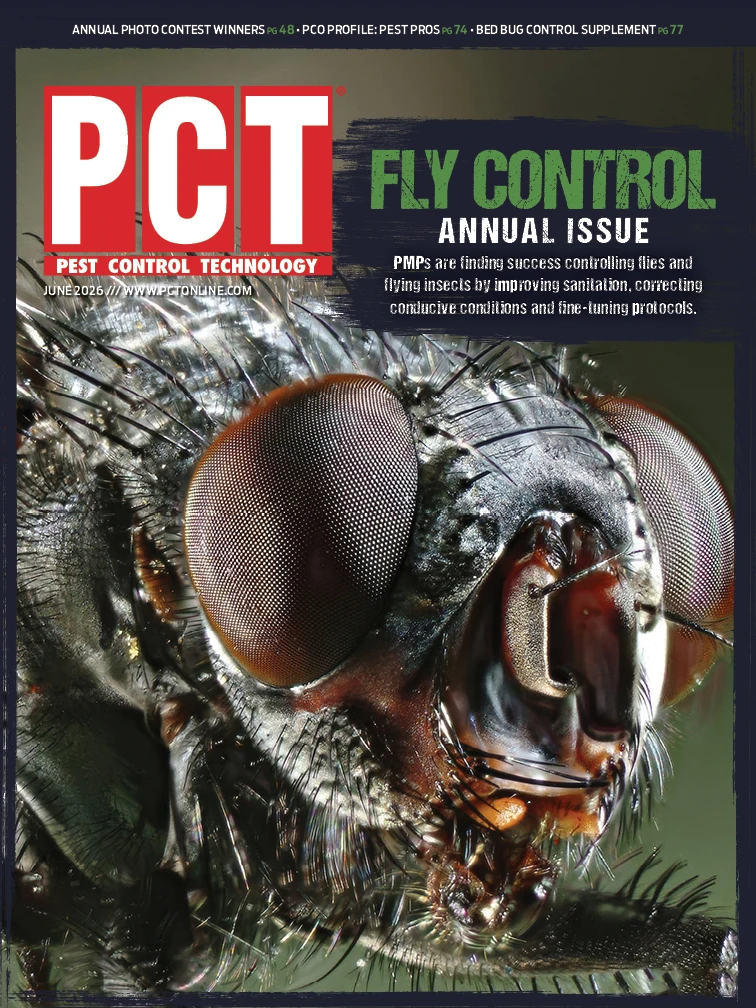
Explore the June 2026 Issue
Check out more from this issue and find your next story to read.
Latest from Pest Control Technology
- Envu Offers Fall Promotion for Horizon Members
- Pest Management Foundation Announces the E. Raymond Crim, III Scholarship
- Tyro Group Acquires Dowell Pest Control
- Podcast: Beyond the Pest | Ep. 14 — Dr. Zach DeVries
- Webinar: The AI-Run Pest Control Company: Hype vs. Reality, What Actually Works (and What Doesn’t)
- Select Exterminating Acquires Three Businesses Across New York and New Jersey
- Catseye Pest Control Acquires Security Pest Elimination and Biologic Pest Control
- Researchers Confirm New York's First Bourbon Virus Case