Courtesy Radio Frequency Company
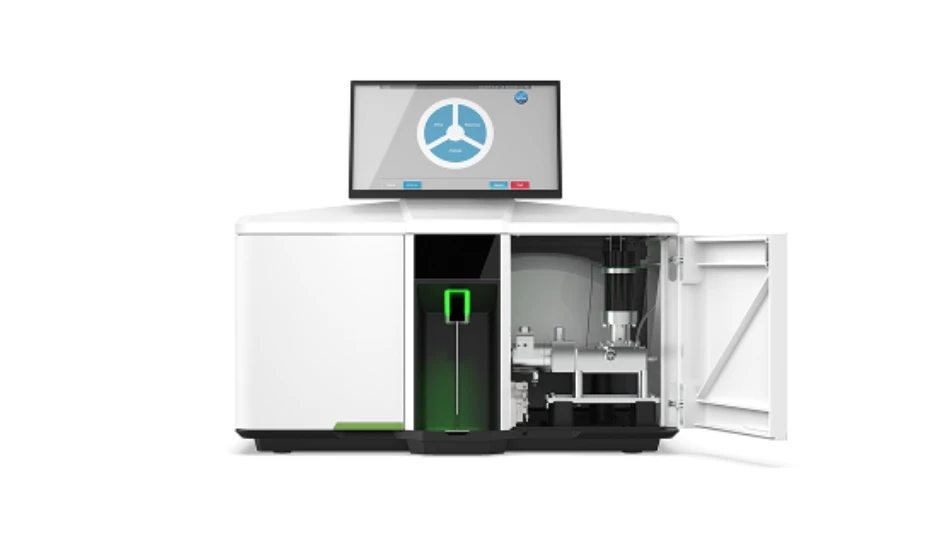
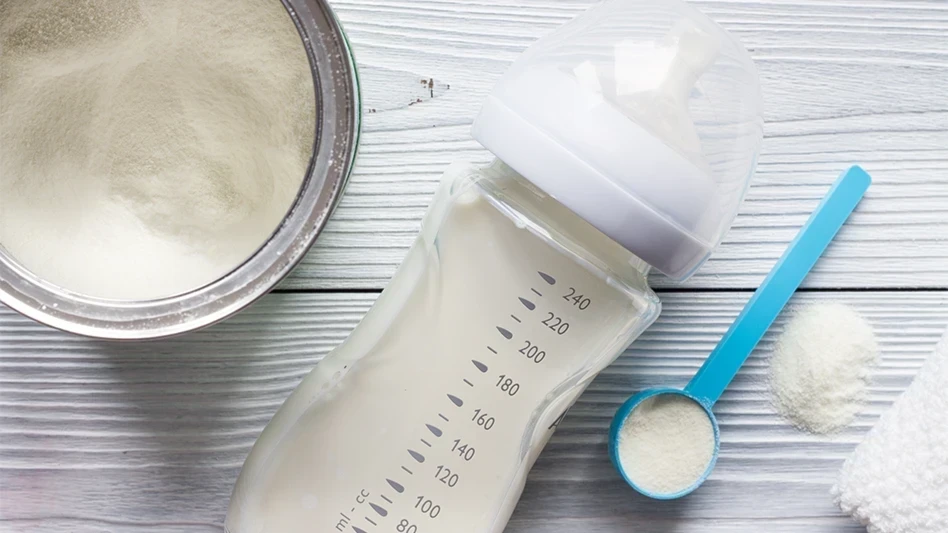
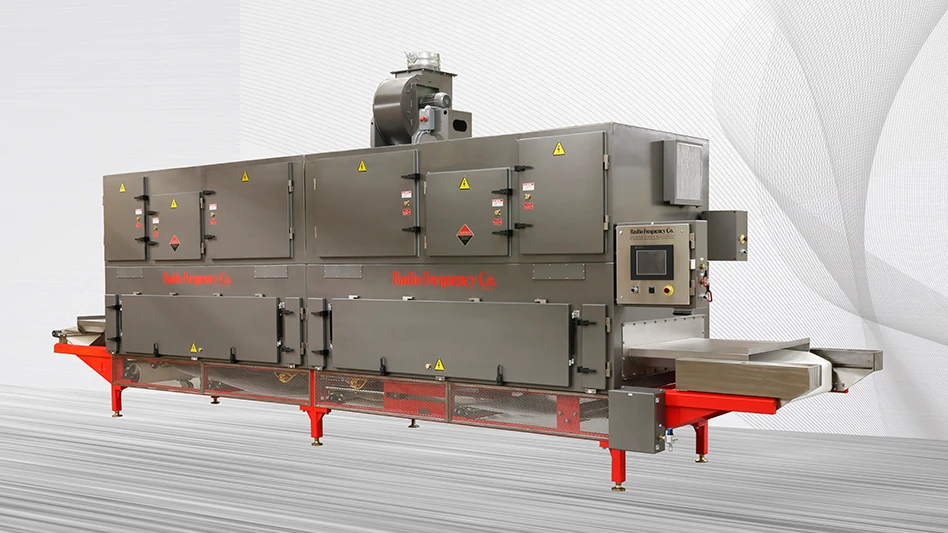
MILLIS, Mass. — Radio Frequency Company, based in Millis, Mass., announced that its Macrowave RF (radio frequency) pasteurization systems have been fully validated to treat rice flour used in infant formula, achieving more than a 5-log reduction of microbes, including Salmonella, E. coli and Listeria.
How Radio Frequency Heating Works
The unique structure of the “polar” water molecule is the basis for the thermal response of water when subjected to an alternating RF energy field, said Radio Frequency Company. In a radio frequency pasteurization system, the RF generator creates an alternating electric field between two electrodes above and below the conveyor. This alternating electric field causes the product to heat rapidly and uniformly throughout its entire thickness, whether in bags or loose on a troughed conveyor. The system is designed to be simple, easy to clean and effective, said the company.
Is Radio Frequency Heating Safe?
RF heating is a thermal process caused by a nonionizing electromagnetic form of energy, just like an FM radio transmitter. The U.S. Department of Agriculture (USDA) does not view the RF thermal process as an added ingredient. Therefore, an organic product treated with RF can carry the “certified organic” label. Additionally, the U.S. Food and Drug Administration (FDA) does not view the RF thermal process as invalidating the use of “natural” on the label, unlike irradiation, which is considered an additive and requires approval and special labeling.
Using RF Pasteurization for Dry Ingredients
RF volumetric heating means there is no temperature differential from the surface to the center and no prolonged soak time, which could damage protein functionality. A short heating cycle allows the product to maintain protein functionality and other organoleptic and nutritional qualities, said Radio Frequency Company. The rapid temperature rise reduces the ability of microbes to acclimate and defend against high temperatures.
RF pasteurization is a fully commercialized treatment for food ingredients. It is a USDA organic thermal process, FDA clean label and FSMA-compatible. Radio Frequency Company’s Macrowave systems pasteurize more than 1.5 billion pounds annually both domestically and internationally.
For more information, visit www.radiofrequency.com, or contact Lisa Mitchell at lmitchell@radiofrequency.com.
Latest from Quality Assurance & Food Safety
- Taylor Farms Removes Iceberg Lettuce Sourced from Mexico Amid Cyclospora Outbreak
- FDA, CDC Tie Multistate Cyclospora Outbreak to Taco Bell Lettuce
- BCG and CGF Release New Report on AI Usage by CPG and Retail Companies
- IntelliAM AI Launches Industrial Intelligence Platform
- QA Virtual Conference to Explore Pest Control Strategies for Food Facilities
- Meat and Poultry Companies Adopt Product of USA Label
- Klobuchar Urges CDC, FDA to Restore Food Safety Funding as Cyclosporiasis Cases Rise
- International Experts Share New Scientific Advice to Support Global Food Safety at 102nd JECFA Meeting