Courtesy IFPA
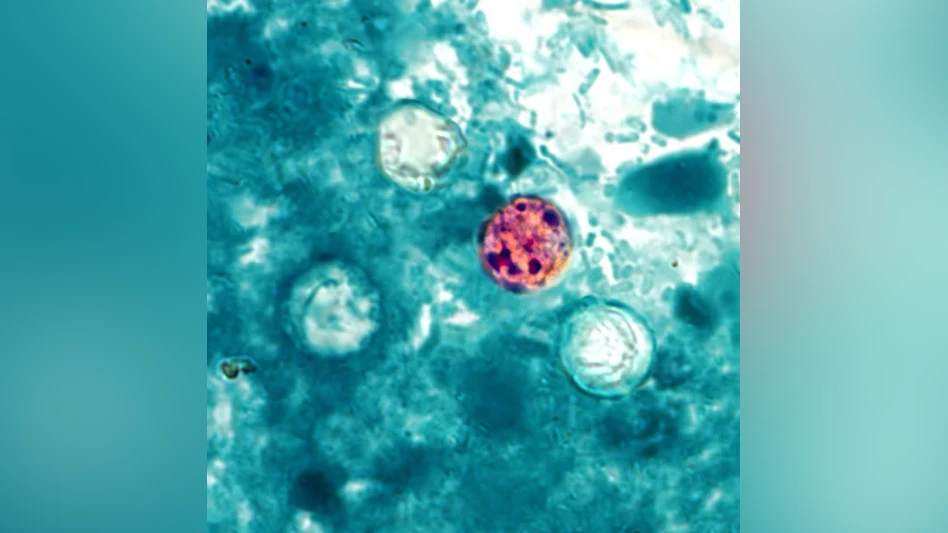
WASHINGTON, D.C. — The International Fresh Produce Association (IFPA) submitted formal comments to the Centers for Disease Control and Prevention (CDC) recommending enhancements to the federal government's Cyclospora outbreak investigation process, including a more comprehensive consideration of exposure pathways (recreational, occupational, water-related) alongside foodborne exposures. The recommendations were submitted in response to CDC's proposed extension of the Cyclosporiasis National Hypothesis Generating Questionnaire (CNHGQ).
The comments reflect IFPA's commitment to advancing science-based outbreak investigations that help public health officials identify sources quickly, accurately and using the strongest available evidence, the organization said. IFPA's recommendations come as public health agencies continue to investigate elevated Cyclospora case counts in several states.
"Protecting public health and finding the source of outbreaks as quickly as possible are goals we all share," said Max Teplitski, Ph.D., chief science officer, IFPA. "The best way to achieve that is to ensure investigators systematically consider all likely routes of exposure."
In its comments, IFPA urged the CDC to consider not only food sources, but also drinking water, as well as other environmental exposures (recreational and occupational). This included recommendations to CDC to consider adding structured questions related to drinking water sources, recreational water activities, wastewater-related exposures, septic systems and other environmental factors that may help investigators better understand how Cyclospora spreads as environmental and climatic conditions change.
The association also encouraged a review of unresolved historical investigations and a consideration of wastewater surveillance as an additional public health tool to understand how Cyclospora circulates through communities.
"We need to see this outbreak end and its root cause(s) identified,” said Teplitski. “Looking to the future, we need to expand our thinking about this parasite and seriously consider other routes of exposure that are likely but have been traditionally less common in the U.S. We will continue advocating for investigations that are guided by data, informed by science so we can prevent future outbreaks and maintain consumer and industry trust in public health systems."
Latest from Quality Assurance & Food Safety
- University of Arizona Expert Explains Why Cyclospora Is So Hard to Trace
- Ergodyne Introduces Two New Thermal Workwear Options
- Bipartisan Bill Would Expand Major Food Allergen Labeling to Barley, Rye and Oats
- FDA Finalizes Food Safety Guidance for Ready-to-Eat Fresh-Cut Produce
- FDA Proposes Mandatory GRAS Notifications as Agencies Advance Ultra-Processed Foods Definition
- Taylor Farms Recalls Products Made with Jalapeños Amid Salmonella Outbreak
- ‘When You Have 16,000 People Sick, It’s Hard to Ignore’: Marler, Detwiler Discuss Cyclospora
- Thermo Fisher Scientific Releases Thermo Scientific InstaFlux