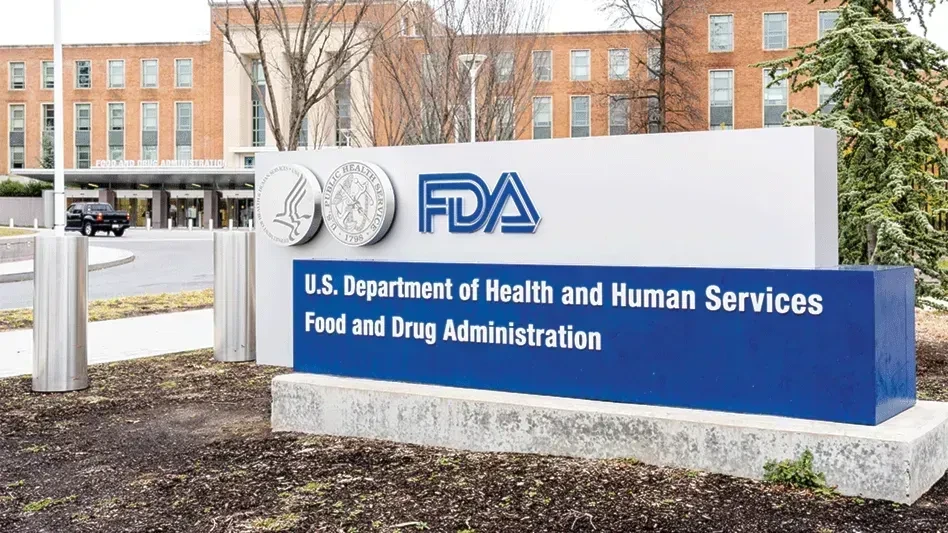
The U.S. Food and Drug Administration’s (FDA) Human Foods Program announced updates designed to modernize the agency’s monitoring of pesticides in domestic and imported human foods through revisions to Compliance Program 7304.004, last updated in 2011.
FDA selectively monitors about 3,500 domestic and import samples yearly for residues of approximately 780 different pesticides. The agency also monitors pesticides in human foods through focused surveys and the FDA’s Total Diet Study and works with states through the Laboratory Flexible Funding Model Program to conduct additional monitoring.
The updated compliance program will focus exclusively on monitoring pesticide residues in foods. To reflect this, the program has been renamed “Pesticides in Human Foods – Domestic and Import.” The updates are intended to streamline the program and clarify specific objectives, said FDA, such as:
- Risk-based sampling priorities. The updates include a focus on sampling foods highly consumed by infants and children among more than 150 raw agricultural commodities the FDA samples as part of its responsibility to enforce EPA-established tolerances. These priorities ensure resources are directed toward the areas of greatest potential risk, said FDA.
- Enhanced operational procedures. Instructions for laboratory, compliance and enforcement staff have been revised to align with updated FDA procedures, said the agency. Updates to laboratory testing methods reflect the transition by FDA regulatory laboratories to a harmonized multi-analyte gas- and liquid-chromatography tandem mass spectrometry method for determination of pesticide residues and elimination of separate, analyte-specific methods, with the aim of improving throughput and consistency of results. All activities related to industrial chemicals, including dioxins, will now be conducted under their own programs, and references in the compliance program will be removed, said FDA.
- Strengthened collaboration with regulatory partners. New information has been added that outlines interactions and partnerships with FDA centers, related FDA compliance programs, other federal agencies and U.S. state and local counterparts.
Information on the FDA’s pesticide residue monitoring program, including annual summary reports and the newly released Pesticide Report Data Dashboard, is available on the agency’s Pesticides webpage.
Latest from Quality Assurance & Food Safety
- Taylor Farms Removes Iceberg Lettuce Sourced from Mexico Amid Cyclospora Outbreak
- FDA, CDC Tie Multistate Cyclospora Outbreak to Taco Bell Lettuce
- BCG and CGF Release New Report on AI Usage by CPG and Retail Companies
- IntelliAM AI Launches Industrial Intelligence Platform
- QA Virtual Conference to Explore Pest Control Strategies for Food Facilities
- Meat and Poultry Companies Adopt Product of USA Label
- Klobuchar Urges CDC, FDA to Restore Food Safety Funding as Cyclosporiasis Cases Rise
- International Experts Share New Scientific Advice to Support Global Food Safety at 102nd JECFA Meeting