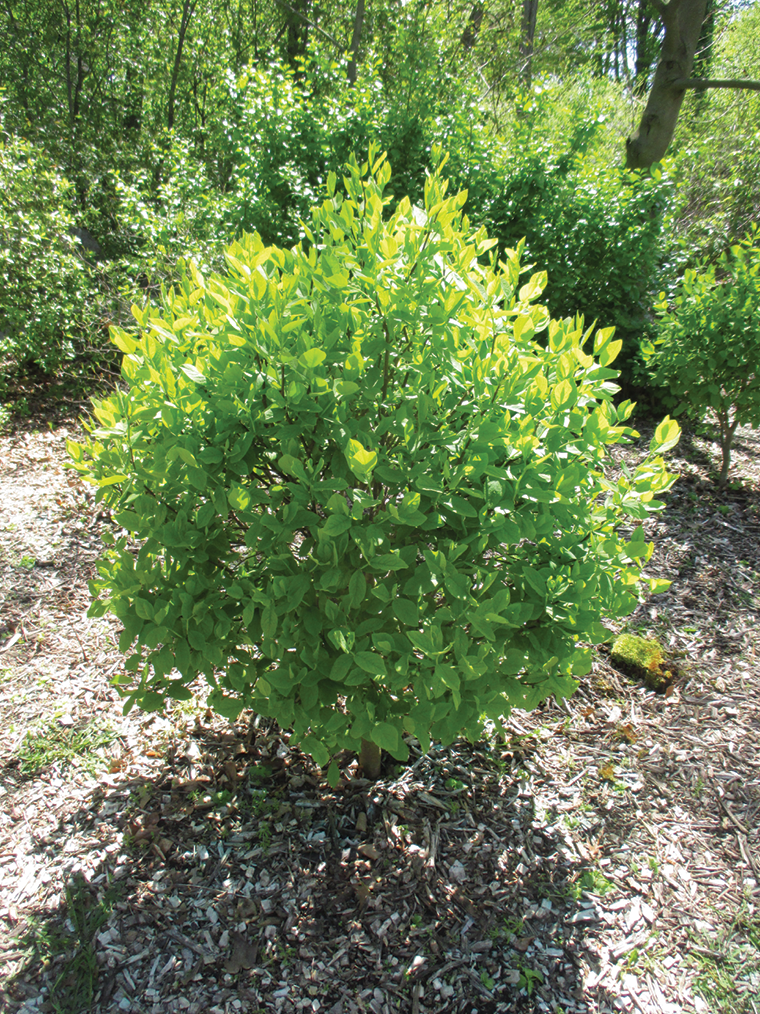
I’ve known eastern leatherwood (Dirca palustris) for a long time and while having the opportunity to plant a few specimens of this attractive, native shrub, I’ve still not observed this slow growing species in its native range (east Canada, north central and eastern U.S.) where it still remains fairly uncommon. Regardless, my first encounters with this shade-tolerant species were at public gardens and what struck me initially was the “ovoid symmetry” of the leatherwood’s silhouette. The dense, upright-rounded form of leatherwood (reaching up to 7 feet tall and wide) is notable from an early age but patience is required in watching this member of the Thymelaeaceae gain size. Larger specimens (up to 10 feet) have been observed in optimum growing locations.
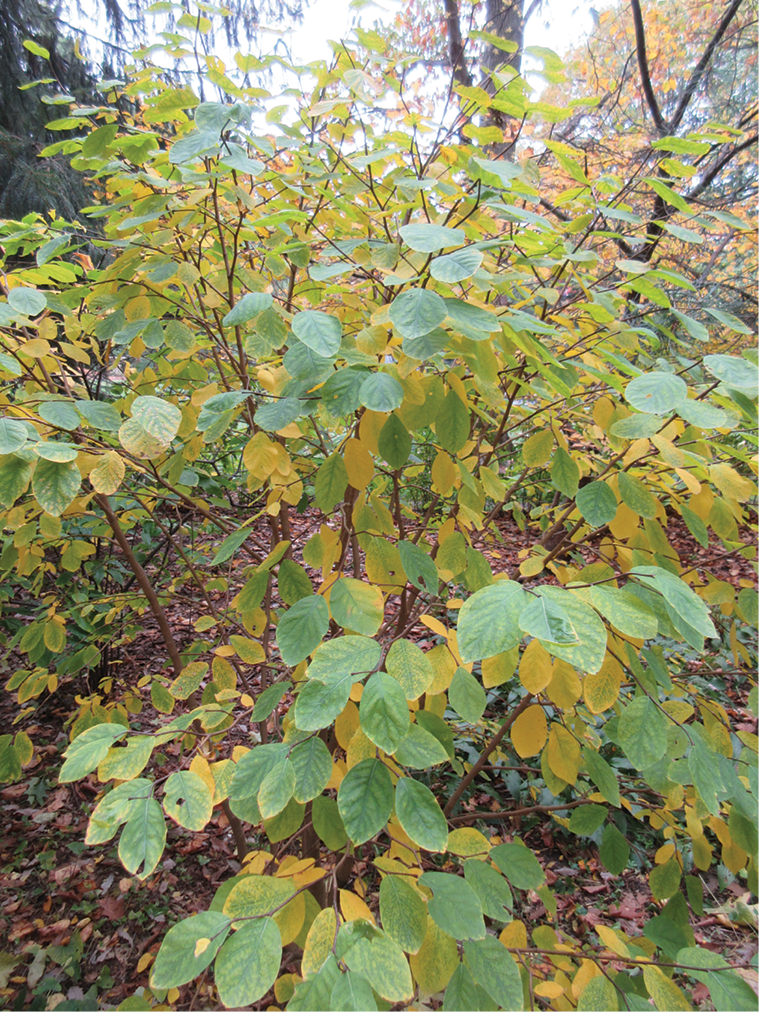
Flowering interest arrives early (March/April) with pale yellow, bell-shaped flowers borne in axillary clusters. The flowers, appearing before foliage emerges, are roughly 1/3 inch long and feature long, yellow stamens. These flowers provide a critical source of early nectar and pollen for native pollinators. As the flowers fade, the elliptical foliage fills in quickly with an interesting shade of pale, “dusky” green. The smooth-edged, toothless foliage becomes a darker green but later transitions to a decent yellow in autumn. The ½ inch fruits (drupes) age from green to a reddish purple and provide sustenance for birds and small mammals.
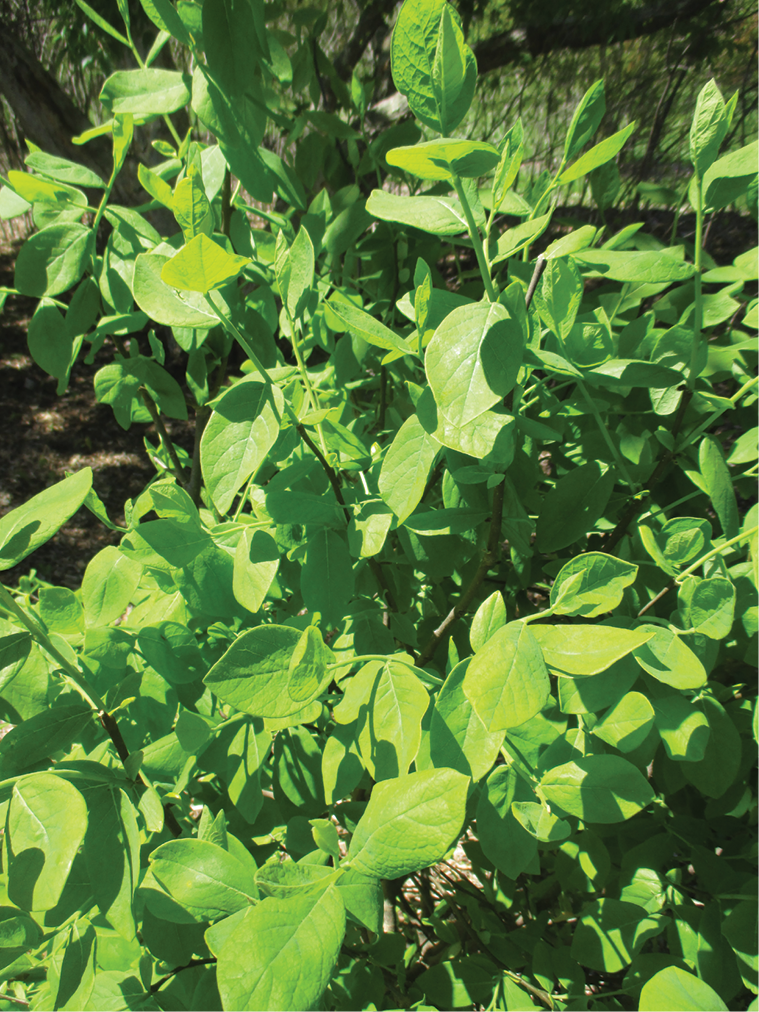
Leatherwood tolerates an amazing amount of shade and shouldn’t be put in full sun where the foliage will scorch. Best grown in organically rich, slightly acidic and consistently moist soils, leatherwood will struggle in overly dry situations. In its native range, leatherwood is found in rich, moist understory locations, on wooded slopes and along streambanks. The brown, jointed twigs have ring-like joints which makes them very flexible. The bark is notably fibrous, tough and pliable. Native Americans and early settlers used these flexible twigs and the strong, fibrous bark for ropes and baskets. The bark, roots and fruits of Dirca palustris are toxic and even contact with the bark can trigger skin irritation in sensitive individuals. This amazing native shrub is propagated primarily by seed as cuttings and layering are notoriously challenging.

Explore the October 2026 Issue
Check out more from this issue and find your next story to read.
Latest from Nursery Management
- New UF study sheds light on the hidden toll of back pain among horticulture workers
- Top 10 things to know about program selling
- Stat of the Week: 44% of growers plan to produce more container-grown perennials
- Oasis Grower Solutions hires plant scientist Timothy Frey
- New green industry leadership development program for women now available
- Seed Your Future launches '50K to Grow 50K' campaign to connect young people with horticulture careers
- American Floral Endowment announces two new Vic & Margaret Ball Internship Committee members
- Midwest Groundcovers explores strategic partnerships for Merry Christmas Holly and Peter Orum collection of proprietary Ilex genetics