Mark Dwyer
I’ve never tired of seeing beebalms (Monarda sp.) utilized in the garden for their impactful color, durability and pollinator value. While some gardeners are understandably wary of the mint family (Lamiaceae) association and what that implies, there are some quite restrained beebalm species that deserve further consideration.
I’ve always enjoyed growing eastern beebalm (Monarda bradburiana) in my home garden and when the variety, ‘Midnight Oil’, was introduced in 2021 by Brent Horvath of Intrinsic Perennial Gardens in Hebron, Illinois, I wondered what all the fuss was about regarding the first North American cultivar introduced of this species. Well, I soon found out.
I’ve been enjoying patches of this beebalm for many years now, both at home and at the healing garden I manage in Edgerton, Wisconsin. My eye is drawn to the glossy, chocolate-red-purple spring foliage at emergence which is typical of the species but ‘Midnight Oil’ seems even richer in coloration.
While the older foliage does fade to a green, Brent observed notably improved disease resistance with this selection. Brent mentions, “When we selected ‘Midnight Oil’ for the exceptional foliage of glossy olive green and purple new growth, it also exhibited better vigor and disease resistance in propagation.”
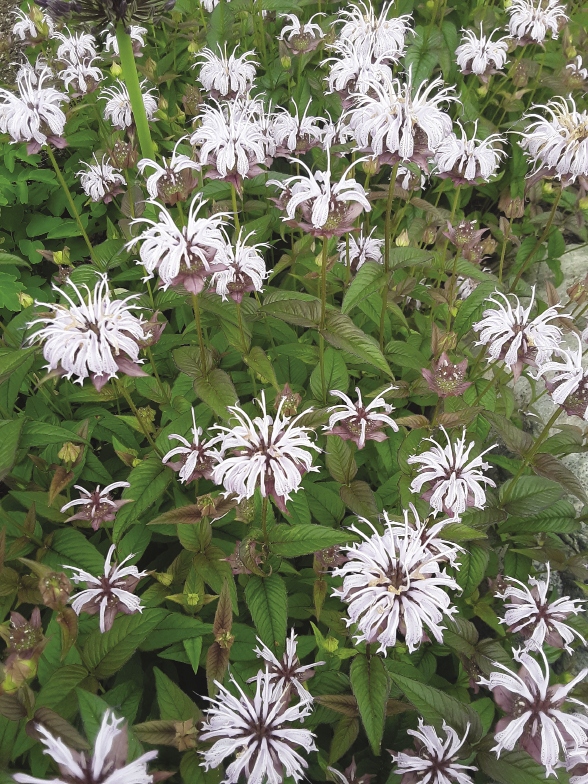
Reaching 18 to 20 inches in height when in bloom, this species flowers at least four weeks before other beebalms (M. fistulosa and M. didyma). The bloom period arrives very late in May and continues until early June. This time frame is also considered a nice bridge gap between spring and summer blooming perennials.
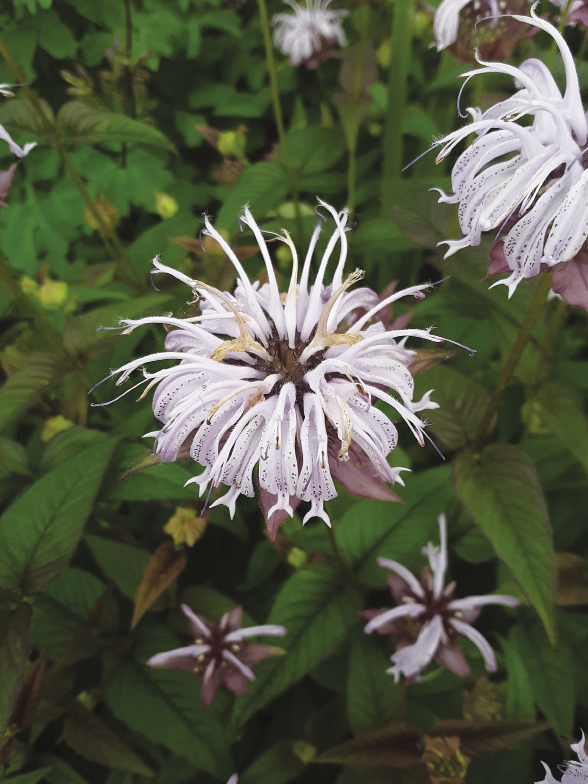
The spidery pink blooms feature magenta spotting and are highly attractive to pollinators. The seed heads transition from green to dark brown and offer interest in the winter months.
‘Midnight Oil’ beebalm performs best in full sun situations but will tolerate light shade. Moist but well-drained soils are ideal but established plants have amazing heat, humidity and drought tolerance and are adaptable across a wide range of soils (including clay).
Deer and rabbits don’t seem interested in nibbling and this plant is also tolerant of black walnuts. I’ve watched my patches slowly expand (manageable!) and as the nights cool in autumn, the basal foliage deepens to maroon and even some bright wine-red coloration as an end-of-season bonus. This variety is exceptional.

Explore the July 2026 Issue
Check out more from this issue and find your next story to read.
Latest from Nursery Management
- The Growth Industry Episode 14: Meet Lionel van der Walt, AmericanHort's new CEO
- Growers and suppliers say BFG Supply Co. will close
- BioWorks introduces Stemmer silicon-based plant health solution
- Silver Fern awarded grant to expand AI-powered demand planning for greenhouse, nursery growers
- All-America Selections announces first three new AAS Winners for 2027
- 2026 Special Recognition Award recipients announced at PPA National Symposium
- [WATCH] July issue recap
- American Floral Endowment announces new leadership and results of record-breaking R.I.S.E. campaign