
© next143 | iStock
They’re resilient, opportunistic, highly resourceful — and equally insidious, filthy and unwanted.
Cockroaches are also highly mobile and an indication of “less than attractive conditions” that are pathogen concerns, said Ernest Otter, president of Detroit-based EcoPest and AuditReady, which specializes in developing food safety programs.
A transient cockroach introduced to a facility will stick around if there’s an appealing hideout like a gunk-filled drain or hairline wall crack that leads to a warm void for harboring.
“Biofilms in the drain or on the floor could be harboring E. coli or Listeria,” Otter said. “And cockroaches move around readily, so there is increased risk if they go from there to a food contact surface.”

While it’s difficult to identify how often cockroaches encounter food or beverage processing areas, “the concept is straightforward,” Otter said. “You don’t want a German cockroach walking across a conveyor belt of hamburger buns [after] it was sitting in a drain.”

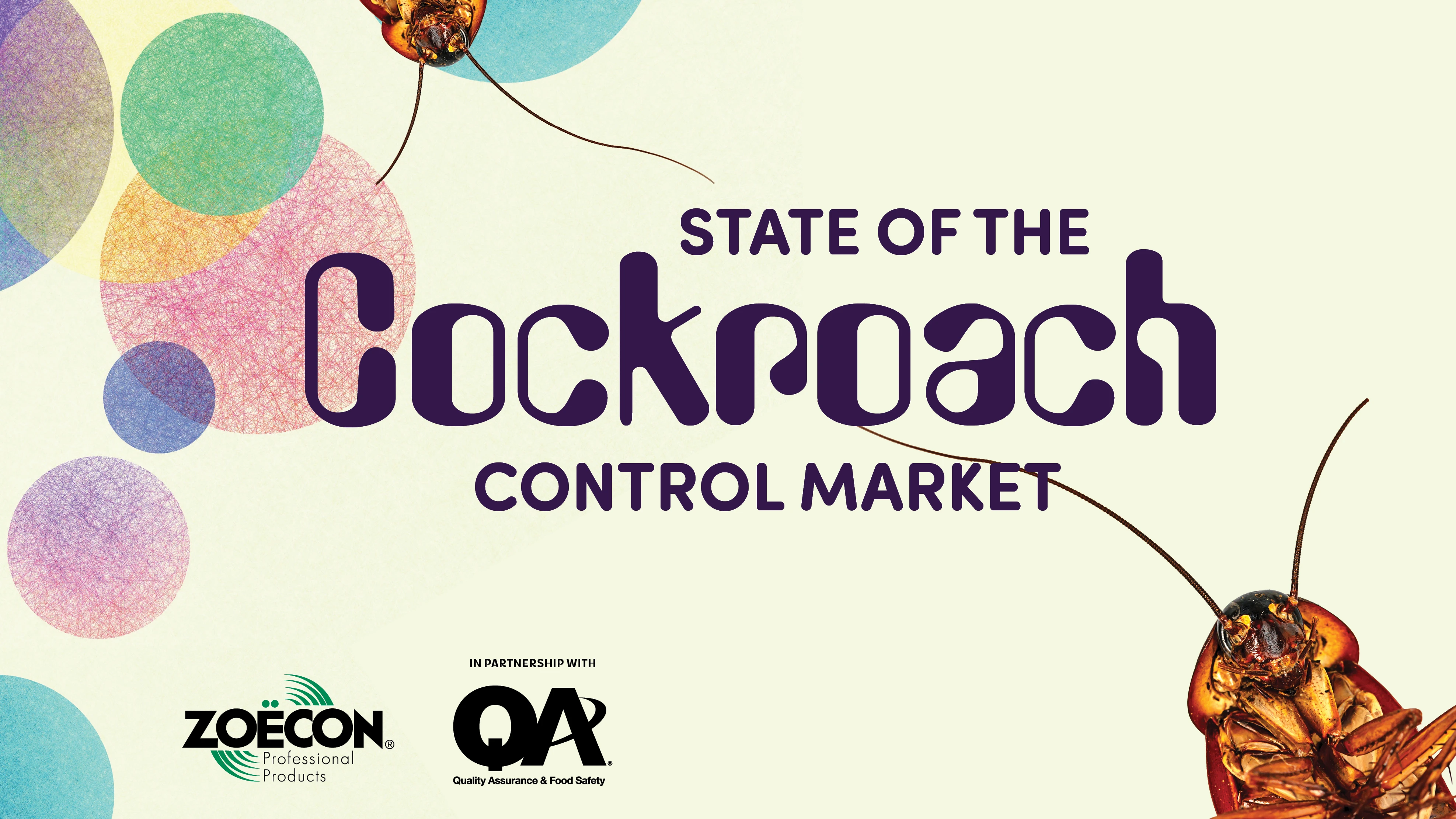
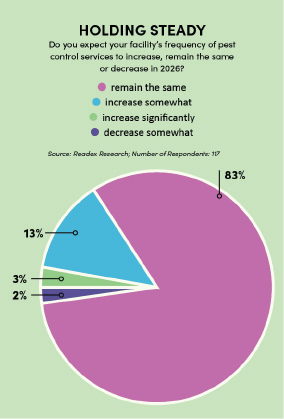
Overall, food safety and quality assurance leaders and pest providers that service food and beverage processing facilities say the conditions that invite cockroaches to set up camp are consistent. An overwhelming majority of respondents to QA’s 2026 State of the Cockroach Market survey, sponsored by Zöecon, report successful control.
Still, 44% have spotted at least one cockroach on site, and 8% are not sure if there’s activity.
“Roaches are what we would call an opportunistic creature,” said Jeff Nelken, a food safety coach who performs audits and builds HACCP plans. The Los Angeles-based consultant said cockroaches rank high in sanitary and reputational risk for facilities. He points to high-profile lawsuits like Boar’s Head, where pests, including cockroaches, were identified in the mix of sanitation and operational upsets linked to a deadly Listeria outbreak.
The pressure’s on. And facilities are more responsive, he said, “because you hear about these cases in the news.”
While headline cases incite public awareness, some leaders QA magazine spoke with, like Otter, note how increased adoption of Global Food Safety Initiative (GFSI) standards and supply chain traceability protocols are improving transparency.
“What used to be a sleeping secret on the back floor of a facility is no longer tolerated,” he said.
In this report, QA magazine examines cockroach hot spots, modern control methods, the role of employee engagement and why collaborative partnerships with pest control providers matter.


Explore the March/April 2026 Issue
Check out more from this issue and find your next story to read.
Latest from Quality Assurance & Food Safety
- Taylor Farms Removes Iceberg Lettuce Sourced from Mexico Amid Cyclospora Outbreak
- FDA, CDC Tie Multistate Cyclospora Outbreak to Taco Bell Lettuce
- BCG and CGF Release New Report on AI Usage by CPG and Retail Companies
- IntelliAM AI Launches Industrial Intelligence Platform
- QA Virtual Conference to Explore Pest Control Strategies for Food Facilities
- Meat and Poultry Companies Adopt Product of USA Label
- Klobuchar Urges CDC, FDA to Restore Food Safety Funding as Cyclosporiasis Cases Rise
- International Experts Share New Scientific Advice to Support Global Food Safety at 102nd JECFA Meeting