Photo © Adobe Stock
Editor's note: This was originally published by Garden & Gun. Read the full article here.
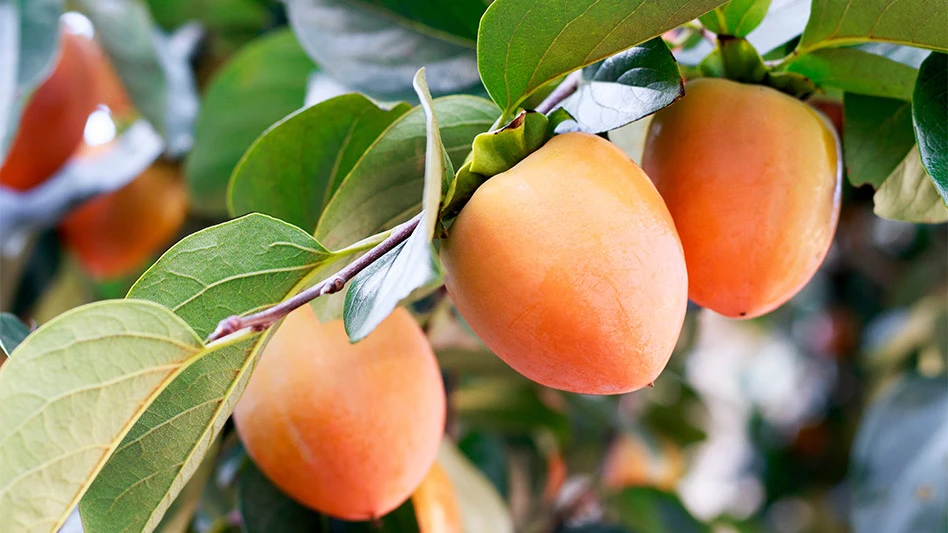
North Carolina gardener Jess Smith cherishes a special fall tradition from her childhood in Davidson County.
“Every year my grandmother, my sister, my cousin and I would walk down to the edge of the woods to the persimmon tree and pick the persimmons up off the ground,” says the expert canner and social media influencer, who is known as the Naked Gardener to her thousands of followers because she shows the entire process of making preserves, from seed to spread.
After gathering the fruits, they would head home and present them to Smith’s grandfather, whom she called Pawpaw; he would sit at the kitchen table, cut the seeds open and make a pronouncement about the winter weather.
“It was such a magical thing as a child because we really believed that whatever was in those persimmons was the weather we would get,” she recalls.
The old folk wisdom that the shape of a persimmon embryo corresponds to the coming weather has swirled around the Ozarks and Appalachia for generations, with no clear origin story.
A spoon shape supposedly denotes snowfall, a knife means bitter cold and a fork predicts a temperate winter. Or as Smith sums it up, “For the spoons, that means you’ll be shoveling snow. A knife means you’ll have cutting winds, and a fork means you’ll have a mild winter in which you could plant and harvest. We always prayed for spoons as kids.”
If there’s a mix of shapes in the seeds, the proportions indicate the amount of snowy versus cold versus mild days in store.
Latest from Nursery Management
- The Growth Industry Episode 17: Investing in IGCs with WorryFree® Plants
- New UF study sheds light on the hidden toll of back pain among horticulture workers
- Top 10 things to know about program selling
- Stat of the Week: 44% of growers plan to produce more container-grown perennials
- Oasis Grower Solutions hires plant scientist Timothy Frey
- New green industry leadership development program for women now available
- Seed Your Future launches '50K to Grow 50K' campaign to connect young people with horticulture careers
- American Floral Endowment announces two new Vic & Margaret Ball Internship Committee members