USDA
Ohio Department of Agriculture (ODA) announced a quarantine to combat the spread of the Spotted Lanternfly (SLF). SLF is now designated a destructive plant pest under Ohio law, which increases inspections and restricts movement of certain items from infested counties in Ohio and other states into non-infested Ohio counties. SLF can spread long distances quickly by people who move infested materials or those containing egg masses.
Currently, SLF is only known to be established in Jefferson and Cuyahoga counties. Individuals traveling from an SLF infested area with items including tree branches, nursery stock, firewood, logs, or other outdoor items that pose a high risk of spreading the pest, are asked to complete a self-inspection checklist on ODA’s website.
Nurseries, arborists, loggers, and other commercial activities may need to be covered by a compliance agreement in order to ship certain products out of infested counties. Please call 614-728-6400 for more information about compliance agreements for commercial activities.
The Spotted Lanternfly is native to Southeast Asia and was first found in Ohio in Mingo Junction in October 2020. It was later found in Cuyahoga County in September of this year. ODA has been working with the U.S. Department of Agriculture, Ohio Department of Natural Resources, Ohio State University Extension, and the Ohio Grape Industries Committee on visual surveys, insect trapping, and outreach.
The Spotted Lanternfly was first detected in eastern Pennsylvania in September 2014 and was likely brought to the U.S. by imported goods. There are now established populations of SLF throughout New England and the mid-Atlantic states.
This pest is a great concern to the grape and wine industry. It is fond of grapevines, fruit trees, hops, blueberry, oak, pine, poplar, and walnut. Adult SLF are attracted to the invasive Ailanthus tree, also known as tree-of-heaven, while nymphs feed on a wide range of hosts. Both adults and nymphs feed on stems and leaves, causing sap bleeding and reduced photosynthesis, which can eventually kill the plant.
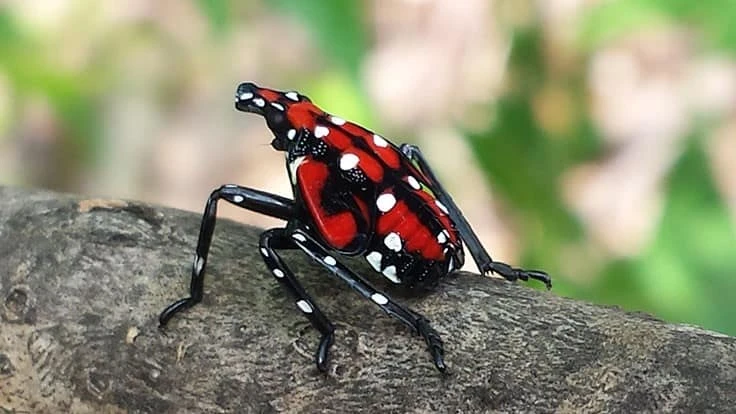
The public is the first line of defense against the SLF. Adult SLF will remain active through the first frost. These adult plant hoppers are roughly one inch in size, have black bodies, and colorful red and black wings. If you believe you have seen this pest in your area, please go to ODA’s Spotted Lanternfly Information Page to fill out a suspected infestation report.
Latest from Nursery Management
- The Growth Industry Episode 17: Investing in IGCs with WorryFree® Plants
- New UF study sheds light on the hidden toll of back pain among horticulture workers
- Top 10 things to know about program selling
- Stat of the Week: 44% of growers plan to produce more container-grown perennials
- Oasis Grower Solutions hires plant scientist Timothy Frey
- New green industry leadership development program for women now available
- Seed Your Future launches '50K to Grow 50K' campaign to connect young people with horticulture careers
- American Floral Endowment announces two new Vic & Margaret Ball Internship Committee members