Natalie Lopez-Alvarez/UC Davis
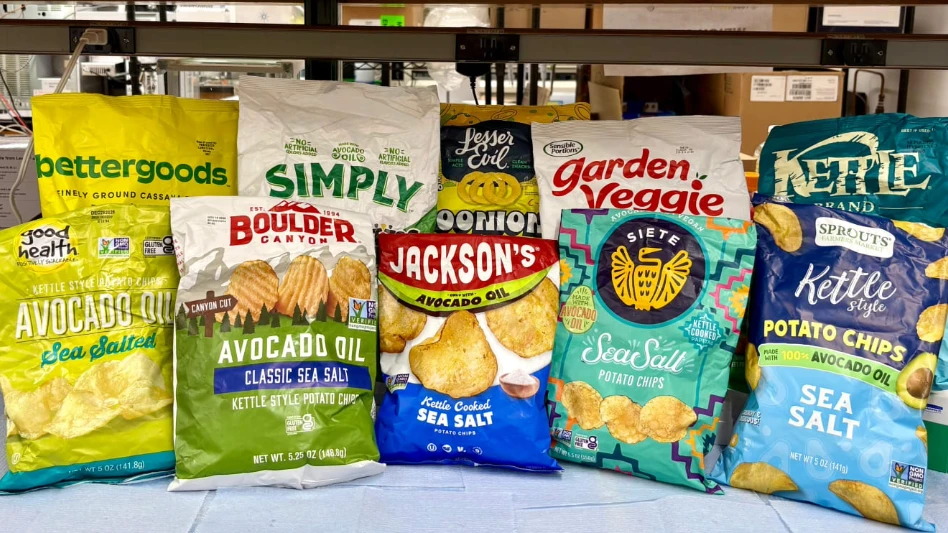
SACRAMENTO, Calif. — Six years ago, a UC Davis study found that 82% of products sold as avocado oil in the United States were either rancid or secretly cut with less expensive seed oils. A new 2026 UC Davis follow-up study shows that adulteration has expanded in the fast-growing "Made with Avocado Oil" categories: chips, mayonnaise and salad dressings.
"A purity claim is only as good as the supplier behind it," said Wayne Adams, CEO, Adams Group. "Purity isn't a single test — it's a system. One that starts at the source, runs through every step of refining, and lives in the lot-level documentation behind every delivery. The brands that build it right in the next twelve months will own the category. The ones that don't will be the next headline.”
Adams Group’s retail brand Marianne’s avocado oil was one of only two brands that tested 100% pure in the UC Davis 2020 research. In the 2026 UC Davis study, Adams Group said Marianne’s avocado oil was used as the benchmark for purity.
The 2026 UC Davis Study found that 93% of chips labeled "100% pure avocado oil" were found to be adulterated. Mayonnaise fared no better — 71% failed the same promise, but look closer at the U.S.-made data specifically, and that number climbs to 100%, Adams Group said. Salad dressings were 100% adulterated.
Read the full 2026 UC Davis Study here. View a full list of the 2026 UC Davis Study chips, mayonnaise and salad dressing brands tested and their results here.
Latest from Quality Assurance & Food Safety
- Michigan Confirms Two Deaths Linked to Cyclospora Outbreak
- IDFA Announces New Cohort of NextGen Leadership Program
- FAO Scientific Article Highlights Food Safety as a Cornerstone of Pandemic Preparedness
- ARCO Design/Build Names Brian Shoop Director of Process Engineering for Food & Beverage
- How Indoor Farmers Manage Food Safety Risks
- Food Allergy Advocate Devin Sailer Named One of America’s Ten Outstanding Young Americans
- The Hidden Risks of Flies in Food Facilities
- From Reactive to Proactive: How Remote Monitoring Transforms Rodent Control in Food Facilities