CEA Alliance
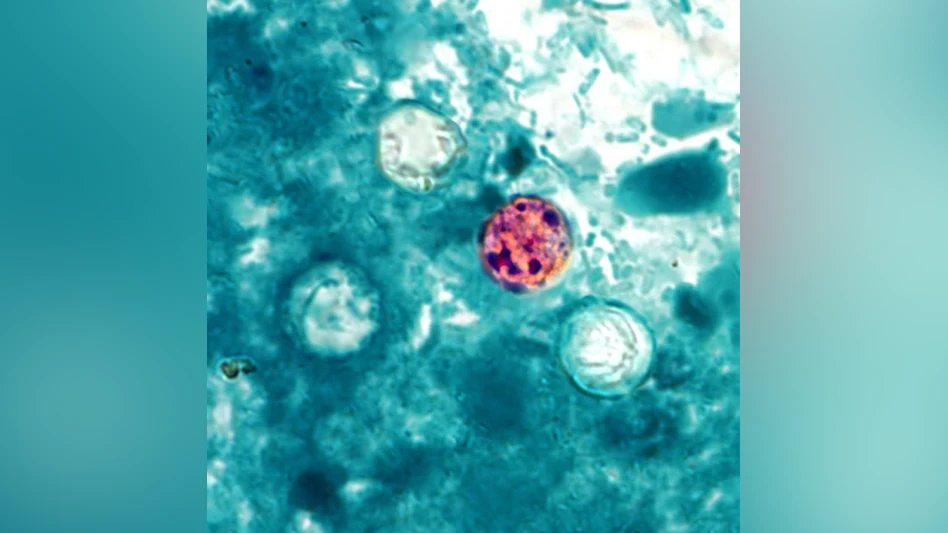
WASHINGTON, D.C. — At a time of great concern regarding the number of cases of Cyclosporiasis and confusion about potential sources of Cyclospora, the Controlled Environment Agriculture (CEA) Alliance is reminding consumers about the differences in indoor-grown produce, including salads and leafy greens.
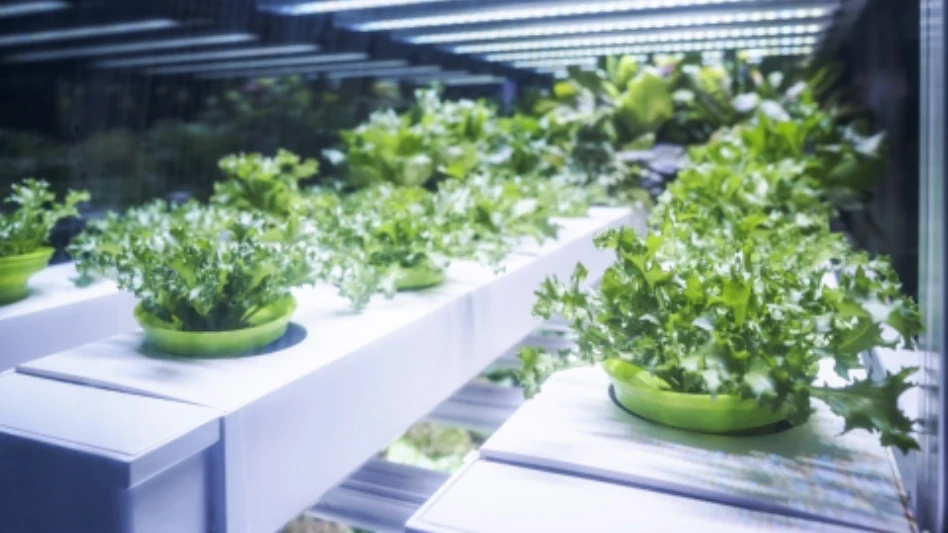
CEA leafy greens are grown indoors, removing many environmental pathways for contamination, the alliance said. Salads and leafy greens are grown hydroponically. Growers carefully treat and monitor water quality throughout closed loop systems. Indoor growers do not rely on open irrigation canals, rivers or ponds that can carry runoff from waste, a common route for Cyclospora to spread, said CEA Alliance.
“Our CEA farms are highly automated, clean facilities designed to enable employees to follow best food safety practices in growing produce, minimizing human touchpoints between plant and package,” said CEA Alliance Executive Director Tom Stenzel. “CEA Alliance scientific experts have worked together to publish and follow an extensive Guidance Document detailing best food safety practices in growing leafy greens and herbs.
Stenzel added: “While some media reports have suggested not eating specific produce items, it is important that consumers understand the extensive steps indoor CEA growers take to minimize food safety risks."
Latest from Quality Assurance & Food Safety
- Food Allergy Advocate Devin Sailer Named One of America’s Ten Outstanding Young Americans
- The Hidden Risks of Flies in Food Facilities
- From Reactive to Proactive: How Remote Monitoring Transforms Rodent Control in Food Facilities
- Getting the Most from Your Pest Management Partnership
- Remote Monitoring Technology for Food Processing IPM Programs
- Beyond the Trap Line: What a Real Pest Risk Assessment Looks Like
- The Premium Flying Insect Management Behind PestWest
- FDA, CDC Investigate Salmonella Enteritidis Outbreak Linked to Recalled Midwest Poultry Services Eggs