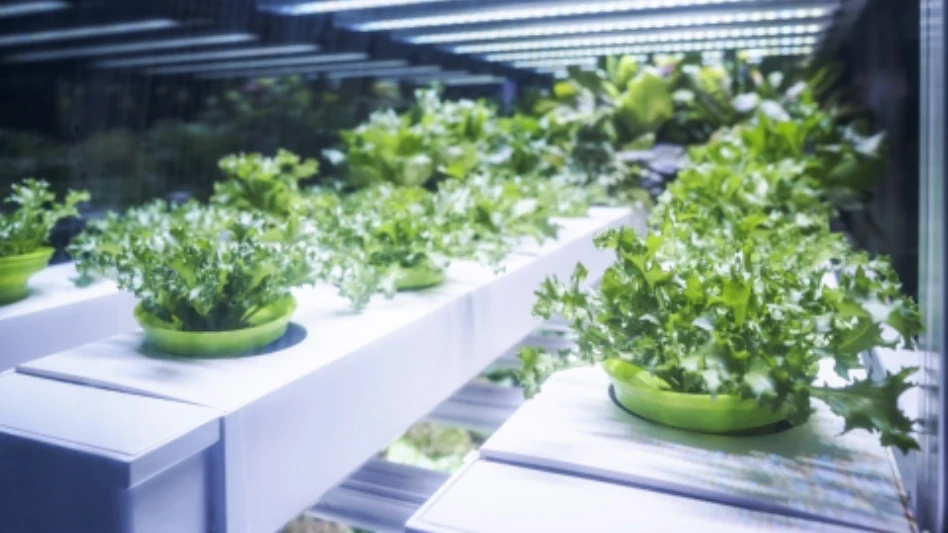
Photo courtesy of McGill University
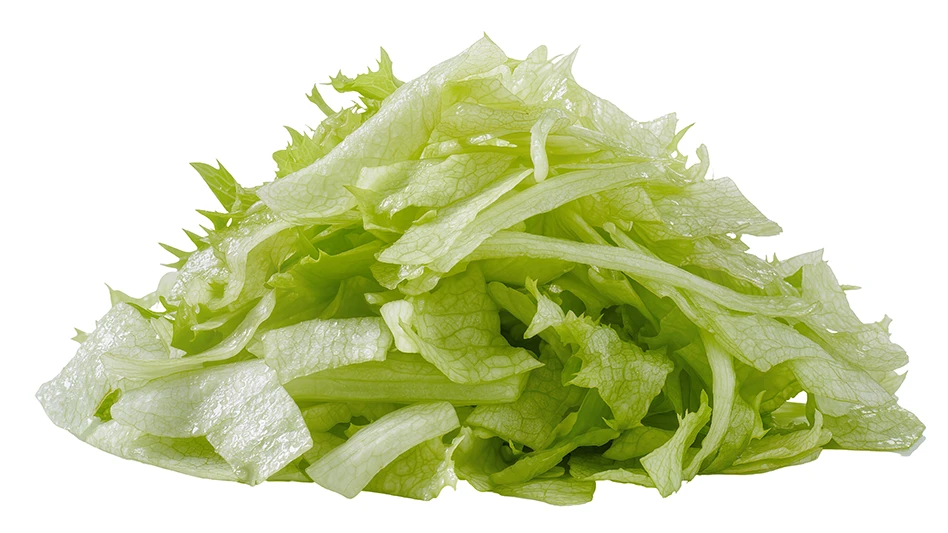
MONTREAL — Low-intensity green lighting in refrigerated storage can slow spoilage in leafy greens, helping maintain their appearance and nutritional value, according to a new study from McGill University.
“We found that something as simple as changing the light in refrigerated storage may help fresh produce stay fresher for longer,” said Shafieh Salehinia, lead researcher and affiliate member in the Biomass Production Lab, headed by Professor Mark Lefsrud.
The research, published in the Journal of Food Science, tested how different lighting conditions affect fresh spinach and lettuce during cold storage. The team compared green LED light with white light and complete darkness.
Green light stood out.
“In our studies, low-intensity green LED light helped reduce water loss, maintain appearance, preserve color and texture, and support the retention of beneficial compounds such as antioxidants, phenolics, flavonoids and anthocyanins,” Salehinia said.
The results were clear in both spinach and lettuce, McGill University said. In spinach, green LEDs reduced moisture loss and kept leaves looking acceptable for longer, extending shelf life by about four days compared with storage in the dark.
Keeping produce fresh for longer matters beyond the lab. Fruits and vegetables are among the most commonly wasted foods, according to McGill University, often because they lose visual appeal while they still are fit to be eaten.
The study builds on earlier research showing that light can influence how produce changes after harvest. But the role of green light has received little attention.
“Green light has often been overlooked in post-harvest research, while red and blue light have received much more attention because of their known effects on plant growth,” Salehinia said.
The team focused instead on what happens after harvest, when vegetables are no longer growing and the goal is to slow deterioration.
The researchers stored spinach at low temperatures for up to 18 days, measuring moisture loss, color, texture, visual quality and levels of key nutrients. The findings suggest that green LEDs reduce deterioration in part by limiting water loss from the leaves, which is closely linked to visible decline in quality, said McGill University.
“For shoppers, this could mean fruits and vegetables that look better and last longer at home,” Salehinia said. “For growers and retailers, it could mean fewer losses and a more sustainable food supply chain.”
The researchers said further work is needed to scale up the approach, but the early results have allowed us to patent this technology and point to a practical way to extend shelf life using technology that is already widely available.
Latest from Quality Assurance & Food Safety
- World Food Prize Foundation Announces Top 10 for 2026 Innovate for Impact Challenge
- Cyclospora Outbreak Linked to Taylor Farms Lettuce Expands to Nine States
- FDA Revokes Orange B, Proposes Ending Citrus Red No. 2 Use
- Sharon K.K. Beals Discusses Audit Horror Stories
- SafetyChain Expands CAPA Management with New Reporting and Supplier Collaboration Capabilities
- Del Monte Corporation and Treatt Launch Upcycled Fruit Extract Range
- Oterra Launches Two Liquid Natural Blue Colors
- Klobuchar Urges CDC, FDA to Restore Food Safety Funding as Cyclosporiasis Cases Rise