USDA
The U.S. Department of Agriculture’s (USDA) Food Safety and Inspection Service (FSIS) is updating the methods it uses to analyze samples of FSIS-regulated products for certain animal drug and pesticide residues.
FSIS laboratories are adding fluralaner and propoxur to the agency’s multiresidue screening methods (CLG-MEGA1 and CLG-MRM3) for bovine muscle and kidney samples. These analytes are associated with products that may be used to prevent or treat New World screwworm infestations in livestock.
FSIS currently screens National Residue Program samples for several other residues associated with these treatments, including doramectin, ivermectin, coumaphos and sulfanilamide.
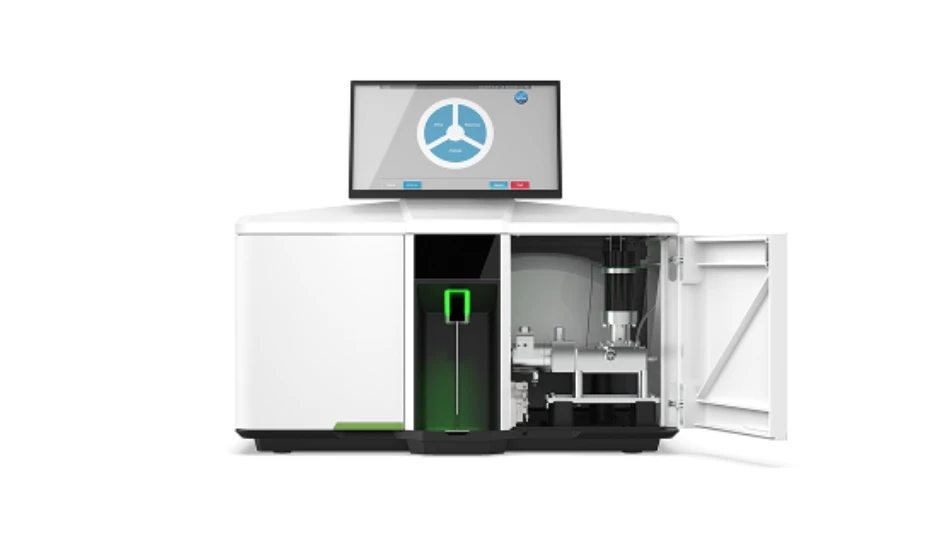
FSIS also plans to incorporate cypermethrin screening into a new method currently undergoing validation, “Screening of Pesticide Residues by Gas Chromatography with Tandem Mass Spectrometry (GC‑MS/MS)” (CLG‑PSTG1).
These updates are designed to enhance FSIS’ ability to monitor for chemical residues in livestock presented for slaughter and support the agency’s continued oversight of residue testing under the National Residue Program.
The updated methods will be posted to the Chemistry Laboratory Guidebook page.
Direct questions regarding specific elements of any method to the USDA website via askFSIS.
Latest from Quality Assurance & Food Safety
- FDA Advises Food Facilities to Protect Registration Information
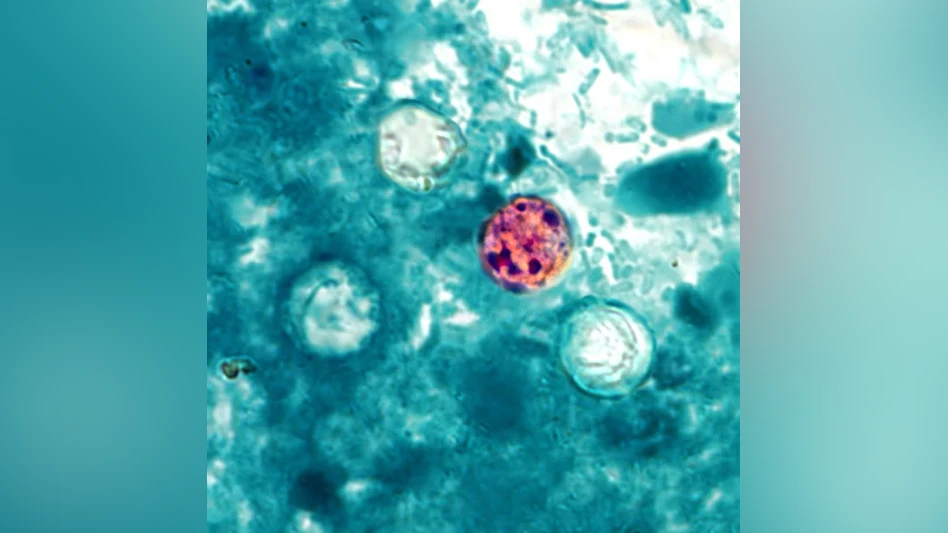
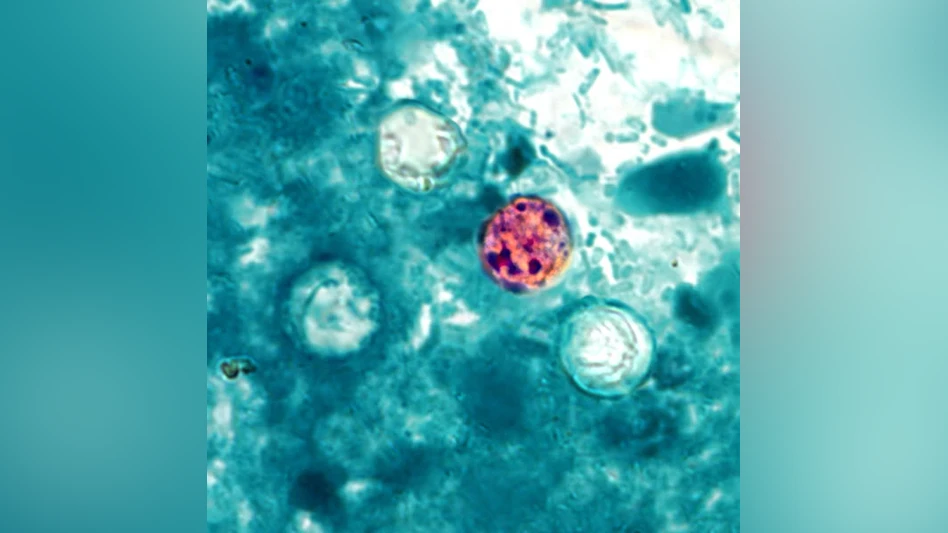
- FDA Says Cyclospora Lettuce Test Was False Positive
- Taylor Farms Removes Iceberg Lettuce Sourced from Mexico Amid Cyclospora Outbreak
- FDA, CDC Tie Multistate Cyclospora Outbreak to Taco Bell Lettuce
- BCG and CGF Release New Report on AI Usage by CPG and Retail Companies
- IntelliAM AI Launches Industrial Intelligence Platform
- QA Virtual Conference to Explore Pest Control Strategies for Food Facilities
- Meat and Poultry Companies Adopt Product of USA Label