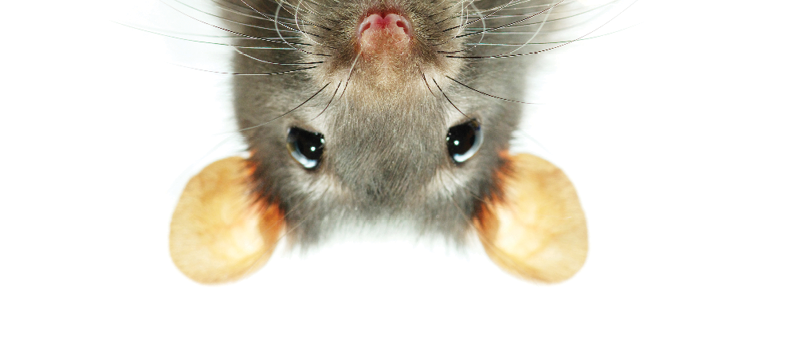
The best rodent control programs start with taking a walk.
Bob Powitz, forensic sanitarian and founder of R.W. Powitz & Associates, encourages food manufacturers to borrow a concept from medicine: grand rounds. Rather than sending one person to inspect the facility, he recommends assembling a cross-functional team that includes quality assurance, maintenance, sanitation, production and the pest management professional.
“I insist on grand rounds,” Powitz said. “You’re not only looking for rodents. You’re looking for biofilm, you’re looking at air movement, you’re looking at everything.”
The goal is simple: view the facility through multiple lenses. Maintenance may notice a deteriorating door sweep. QA may spot a sanitation concern. Production may identify equipment that’s difficult to clean. Together, those observations often reveal vulnerabilities long before rodents do.
“I cannot see everything,” Powitz said. “If I have the different people there, QA will look at it from one standpoint, maintenance will look at the physical structure, administration will look at the money, and production will look at ease of use.”
Marc Fintz, director of business development at Davidovich Bakery, recommended making one simple practice part of every walkthrough: walk the line.
At his facility, a bright yellow or white line is painted two to three feet from the perimeter walls, creating a visual buffer that prevents pallets, racks and equipment from being pushed against the wall. The clear space serves two purposes. It allows employees and pest management professionals to inspect the perimeter, and it makes rodent evidence easier to spot. The brightly painted border also makes droppings, rub marks and other signs of activity easier to detect during routine inspections.
“Mice tend to love to run against the perimeter,” Fintz said. “This gives you the ability to know that nothing should be pushed up against or over the line.”
“It’s a visual deterrent for your staff,” Fintz said. “You can walk around, and if a mouse is running there, you’re much more likely to see the evidence.”
So, how long should you expect to spend on a grand rounds experience? Powitz said the first inspection may take several hours, but follow-up walkthroughs become much more efficient as corrective actions are completed and new issues are documented. “Everyone’s involved,” he said.
Here are practical steps for implementing grand rounds at your facility:
1. Assemble the team.
- QA/food safety
- Maintenance
- Sanitation
- Production/operations
- Pest management professional
2. Stalk the perimeter.
- Check dock doors and door sweeps.
- Inspect utility penetrations, rooflines and exterior walls.
- Evaluate dumpsters, compactors and vegetation.
- Look for moisture, leaks and standing water.
3. Walk the line.
- Maintain a two- to three-foot painted buffer around interior perimeter walls.
- Keep pallets, racks and equipment behind the line.
- Look for droppings, rub marks, gnawing and other signs of activity.
4. Think beyond rodents.
- Biofilm
- Moisture
- Sanitation concerns
- Structural damage
- Equipment placement
- Employee practices
5. Document and assign.
- Record observations.
- Assign corrective actions.
- Verify repairs during the next grand rounds.
- Review trends over time to identify recurring vulnerabilities.

Explore the July/August 2026 Issue
Check out more from this issue and find your next story to read.
Latest from Quality Assurance & Food Safety
- FSIS to Expand Animal Drug Residue Testing Capabilities
- FDA Advises Food Facilities to Protect Registration Information
- FDA Says Cyclospora Lettuce Test Was False Positive
- Taylor Farms Removes Iceberg Lettuce Sourced from Mexico Amid Cyclospora Outbreak
- FDA, CDC Tie Multistate Cyclospora Outbreak to Taco Bell Lettuce
- BCG and CGF Release New Report on AI Usage by CPG and Retail Companies
- IntelliAM AI Launches Industrial Intelligence Platform
- QA Virtual Conference to Explore Pest Control Strategies for Food Facilities