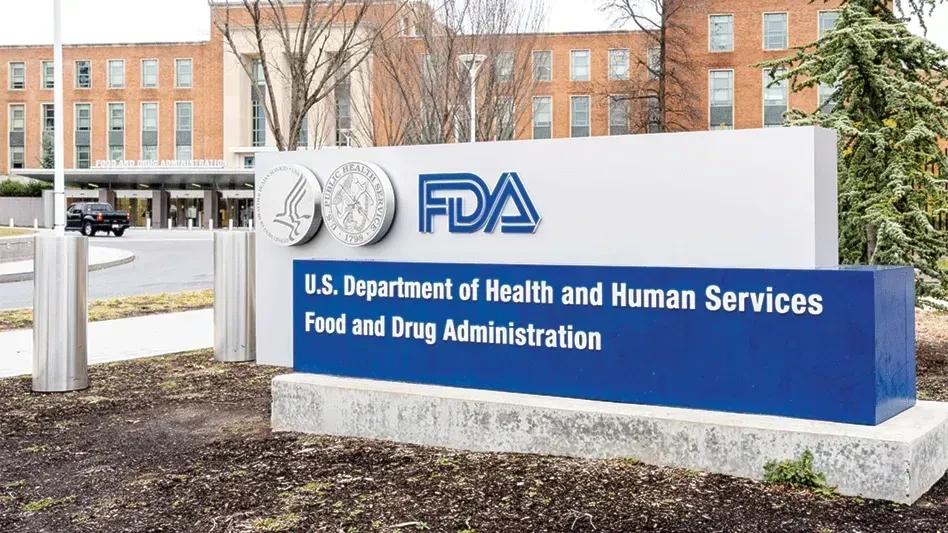
The U.S. Food and Drug Administration (FDA) announced May 6 that it is piloting one-day inspectional assessments as part of an initiative to make its inspectional resources more targeted and efficient. The pilot is being conducted across multiple FDA inspectorates, including human and animal foods.
As part of this pilot, which launched in April, the agency is conducting shorter, focused screening assessments to complement standard FDA inspections.
“One-day inspections can strengthen our inspectional approach by focusing our time and resources where they are most needed — enhancing our overall effectiveness,” said FDA Commissioner Marty Makary. “For the FDA, the ability to conduct shorter, targeted assessments allows for broader surveillance coverage, enabling the agency to assess more facilities and gather critical insights without compromising regulatory rigor. For industry, these assessments can provide timely feedback while minimizing operational disruption, particularly for lower-risk establishments.”
One-day inspectional assessments support the development of more robust risk models across FDA programs, said the agency. Data gathered through these assessments, such as recurring compliance themes, facility-specific risk scores and discrepancies between registered and actual operations, can be used to better target future oversight activities, said FDA.
Facilities are selected for one-day assessments using risk-based criteria such as product type, prior inspection outcomes and operational characteristics, said FDA.
As of late April, FDA has completed about 46 one-day assessments. Most assessments successfully confirmed compliance, said the agency, resulting in No Action Indicated (NAI) outcomes. Some assessments extended beyond one day when significant observations were identified.
One-day inspectional assessments are not intended to replace standard FDA inspections, the agency said. They were created to serve as an additional tool to complement the agency’s existing approach. Investigators retain authority to expand the scope or duration of an assessment if warranted, said FDA. The pilot does not represent a change in enforcement policy and does not apply to higher-risk or more complex facilities that require more comprehensive inspectional coverage.
“We are closely analyzing the operational and compliance data from these assessments — including trends in outcomes, risk signals and investigator feedback to determine how this approach can enhance our broader inspectional strategy,” said FDA Associate Commissioner for Inspections and Investigations Elizabeth Miller.
The pilot will continue through fiscal year 2026, with additional assessments planned across inspectorates, said FDA. The agency is developing evaluation metrics to assess effectiveness, including inspection duration, escalation rates and the utility of findings in informing risk-based decision-making.
Latest from Quality Assurance & Food Safety
- FSIS to Expand Animal Drug Residue Testing Capabilities
- FDA Advises Food Facilities to Protect Registration Information
- FDA Says Cyclospora Lettuce Test Was False Positive
- Taylor Farms Removes Iceberg Lettuce Sourced from Mexico Amid Cyclospora Outbreak
- FDA, CDC Tie Multistate Cyclospora Outbreak to Taco Bell Lettuce
- BCG and CGF Release New Report on AI Usage by CPG and Retail Companies
- IntelliAM AI Launches Industrial Intelligence Platform
- QA Virtual Conference to Explore Pest Control Strategies for Food Facilities