All-America Selections announced the winners of the 2026 Landscape Design Challenge, which had the theme of "The Goodness of Gardening…Using AAS Winners."
For the challenge, AAS provided the gardens with recent AAS Winner seeds and plants. The gardens had the option to also incorporate older AAS Winners in their design to give a historical aspect to their display, if desired.
Gardens were encouraged to hold educational events to share the story of All-America Selections and AAS Winners.
Gardens are divided into three categories based on the number of visitors per year:
- Category I: Fewer than 10,000 visitors per year
- Category II: 10,001 to 100,000 visitors per year
- Category III: Over 100,000 visitors per year
All-America Selections recognized and thanked the contest judges, who are industry experts in the field of horticulture and landscaping:
- Ron Cramer, retired, Sakata Ornamentals and AAS former president
- Penny Merritt-Price, product development manager, Young’s Plant Farm
- Sam Schmitz, former AAS judge and horticulture educator
- Teresa Watkins, NGB member, book author, designer and radio host
The winning gardens from the 2026 Landscape Design Challenge are listed below, with descriptions provided by AAS.
Category III: Over 100,000 visitors per year
First place: Deep Cut Gardens, Middletown, New Jersey
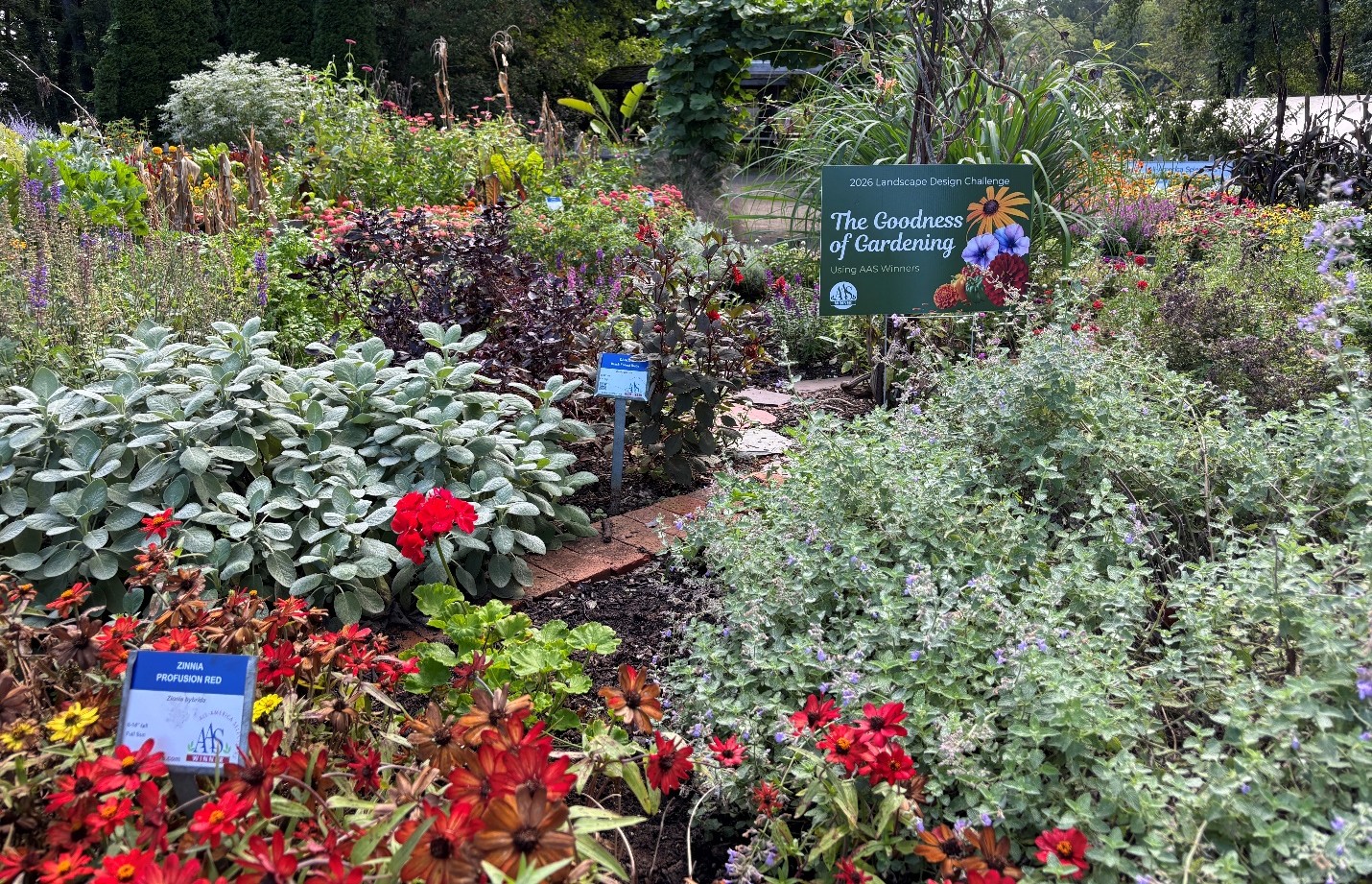
Celebrating bounty and beauty as the key elements in this year’s “Goodness of Gardening” theme, Deep Cut Gardens demonstrated how creativity, community and sustainable practices come together in harmony. Highlighted by award-winning AAS varieties, the garden showcased resourceful design by transforming harvested vines and branches into functional supports, bunny-proof hoops, trellises and artful sculptures — including a centerpiece woven basket and a butterfly wing display.
Visitors gained practical inspiration for companion planting, learning how vegetable and flower pairing benefits pollinators, improves crop health and yields beautiful bouquets.
Highlights included striking combinations like Bright Lights Swiss chard alongside Mango Tango marigolds, plus a vibrant "fireworks bed" celebrating America’s 250th birthday with Profusion Double White Improved zinnias, salvias and celosias.
A tranquil tea garden featuring chamomile, Thai basil and Thumbelina zinnias offered guests a peaceful spot to relax. Throughout the season, dedicated volunteers harvested the garden's rich yield to share fresh produce and culinary tips with local families.
By demonstrating upcycled garden structures, companion planting techniques, and the physical, emotional and environmental benefits of gardening, the 2026 display successfully educated, inspired and sparked fresh ideas for visitors to recreate in their own home gardens.
Second place: Green Bay Botanical Garden, Green Bay, Wisconsin
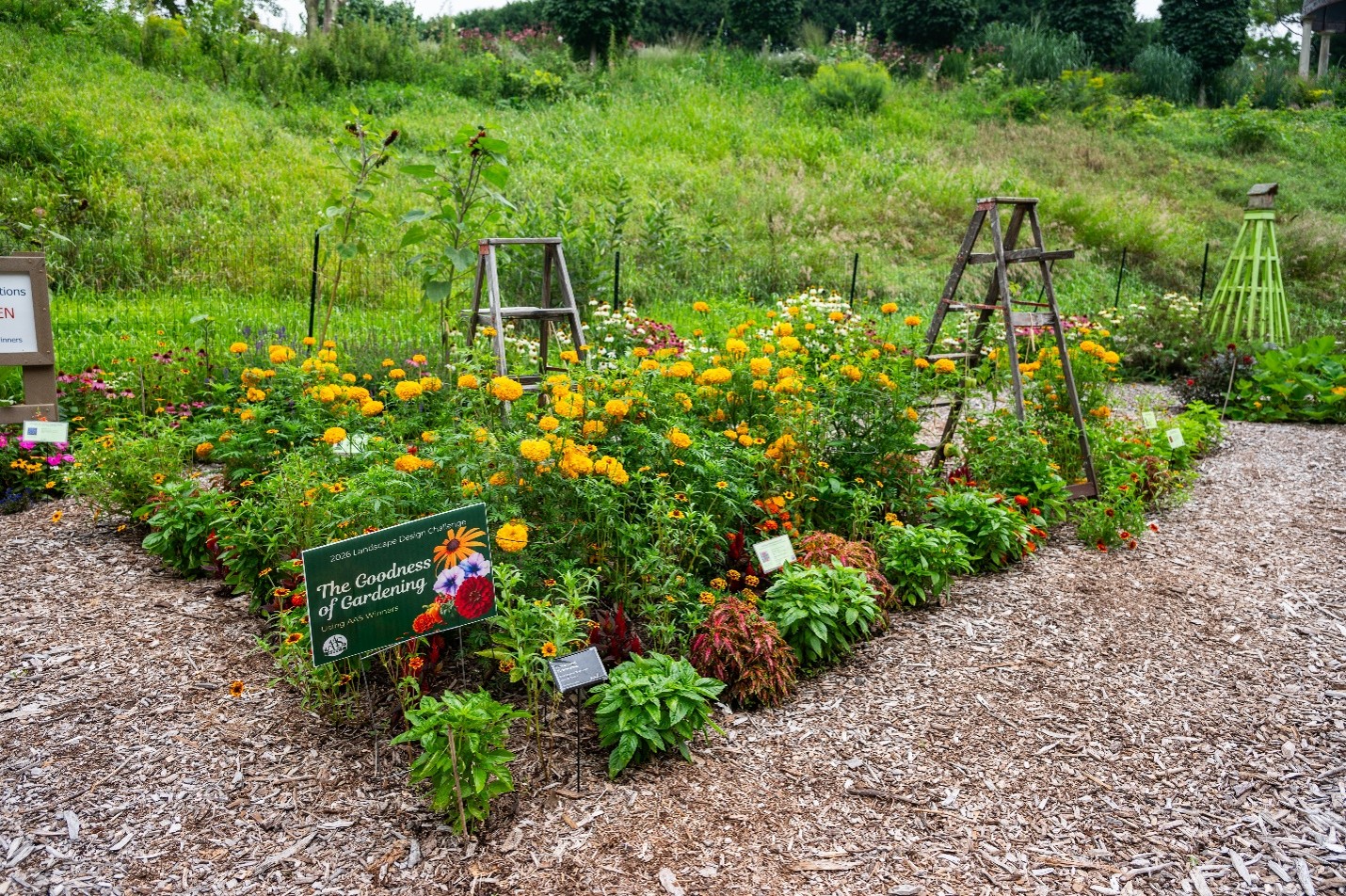
Highlighting food, creativity and community, the 2026 Partnership Garden display at the Green Bay Botanical Garden demonstrated how gardening nourishes beyond the harvest.
Designed by seasonal gardener Amanda Hatton, the project brought "The Goodness of Gardening" to life through playful, educational themes that captivated visitors — even winning over out-of-state guests.
The design featured "pizza beds" combining AAS tomatoes, peppers and basil with slice-shaped ladder trellises, alongside T-shaped tea beds showcasing chamomile, lemon balm and natural blue-tea plants.
Emphasizing sustainability, the garden prioritized resourcefulness over expensive new materials, creatively upcycling props, structures and bulb bags from previous seasons. Visitors easily accessed plant information on-site via AAS QR codes.
Beyond aesthetics, the garden fostered deep community connection. Harvested produce was donated to Paul’s Pantry, while volunteers from Aspiro — an organization supporting individuals with disabilities — helped cultivate the space throughout the season.
By blending upcycled design, interactive food themes and meaningful local partnerships, the 2026 display proved that gardening transcends barriers to bring people together. The project successfully educated guests on sustainable practices while showing that impactful gardening relies on creativity and resourcefulness rather than store-bought supplies.
Third place: Boerner Botanical Gardens, Milwaukee, Wisconsin
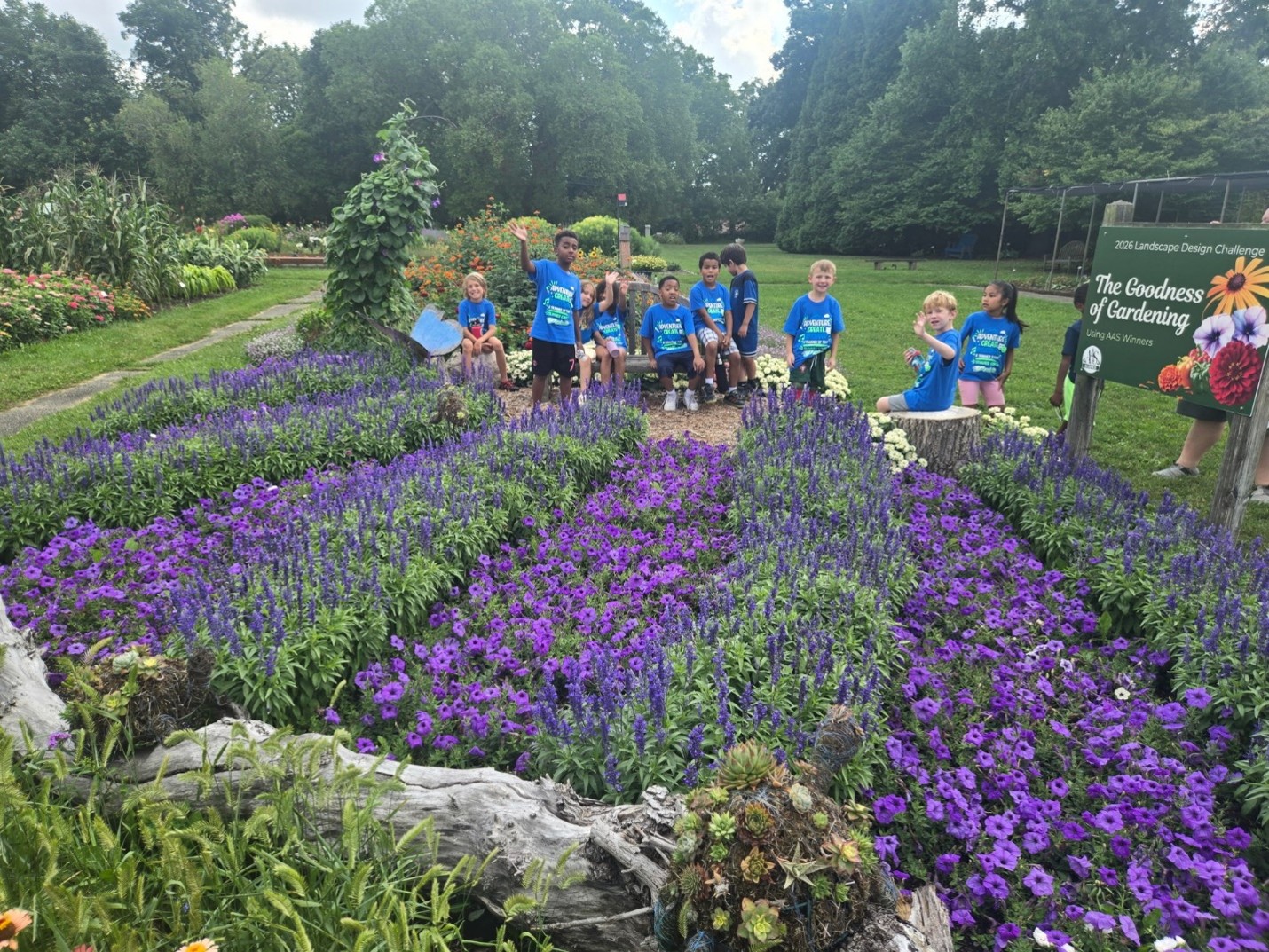
Bringing the "Goodness of Gardening" theme to life, the trial garden display at Boerner Botanical Gardens in Wisconsin demonstrated how thoughtful garden design directly benefits wildlife and pollinators. The interactive display captivated visitors of all ages by showcasing hand-crafted elements alongside vibrant, award-winning AAS plants.
Designed to engage the public, the garden featured moss-stuffed animal topiaries — including rabbits in the vegetable patch, turtles along a petunia "river" and impressive cranes — alongside five hand-painted wooden butterflies depicting local species. A custom bug hotel made from scavenged natural materials and a pollinator puddling station served as focal points, demystifying insects and sparking valuable educational discussions about beneficial garden bugs.
The creative props drew enthusiastic responses from adults and children alike, leading guests through the space to discover new plant varieties, such as the fragrant Evening Scentsation petunias. A scenic bench along the petunia display offered families a relaxing spot for photo opportunities while observing bees and butterflies flocking to the blooms.
By combining artistic craftsmanship, upcycled materials and pollinator-friendly plantings, the 2026 display successfully educated the community on ecological gardening while creating a memorable, joyous experience for all who visited.
Category II: 10,001 to 100,000 visitors per year
First place: Newton Centre Garden, Newton Centre, Massachusetts
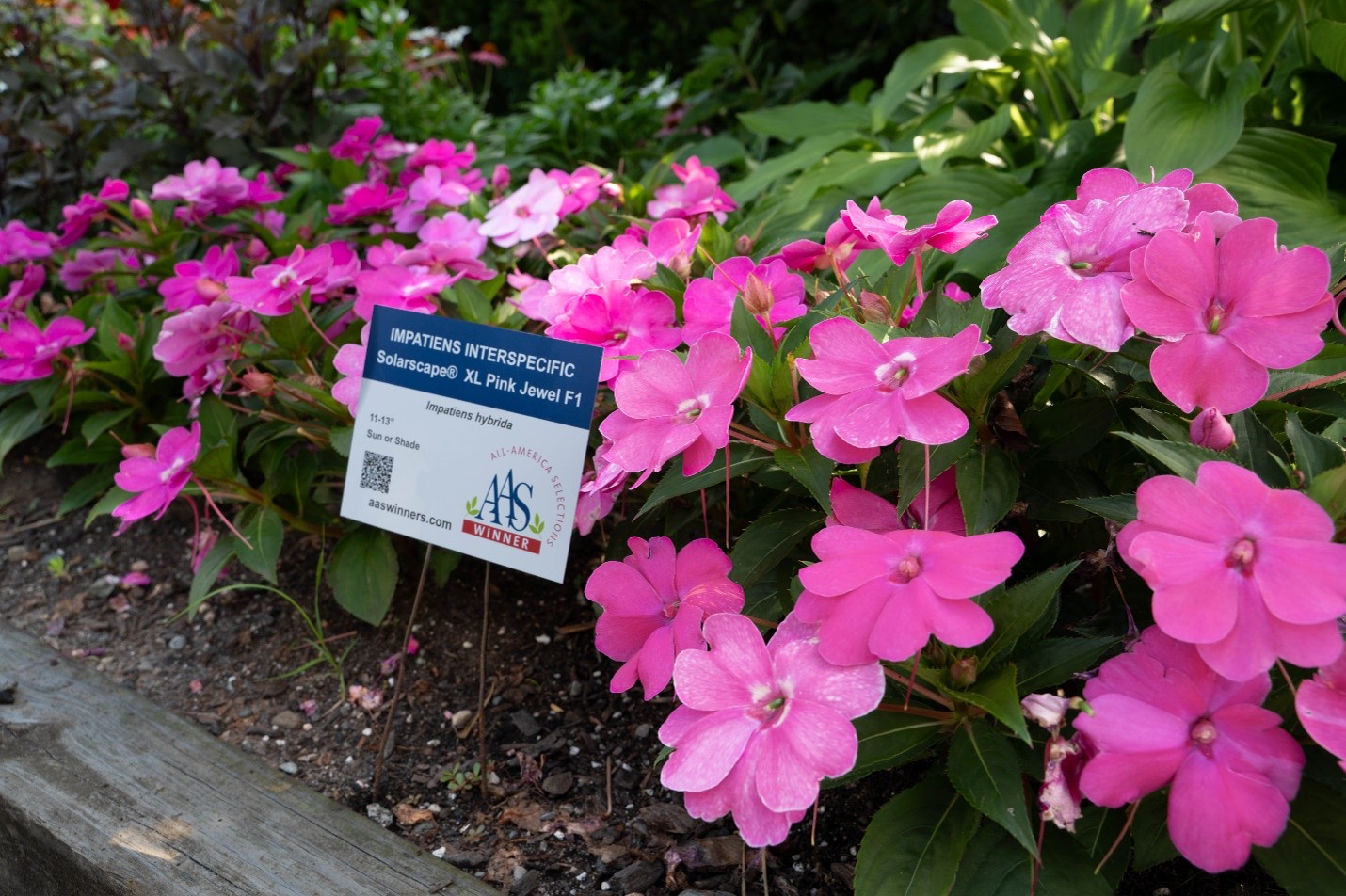
Nestled in the heart of Newton Centre, Massachusetts, the historic Newton Centre Garden showcased its 2026 display centered around "The Goodness of Gardening." Maintained for decades by a dedicated team of 20 community volunteers, the urban pocket park transformed a 230-foot linear corridor into a vibrant sanctuary of color, creativity and well-being.
Guided by principles of artistic expression and community connection, the 2026 design paired award-winning AAS varieties in dynamic combinations. Highlights included warm pairings of Zinnia Zydeco Fire and Dahlia Black Forest Ruby alongside perennial anchors like Echinacea Cheyenne Spirit.
Beyond the main display, volunteers expanded the project’s reach by planting AAS winners in a historic 19th-century horse trough and public containers across four surrounding neighborhood hubs.
By turning a high-traffic commercial center into an engaging third place for gathering, the volunteer-led garden promoted psychological recovery and local pride. Visitors frequently paused to admire the blooms, scan plant labels and exchange gardening insights.
Through thoughtful upcycling, interplanting and municipal collaboration, the Newton Centre Garden successfully demonstrated how small urban green spaces foster lasting community health, connection and creative inspiration.
Second place: The Teaching Garden at Woodward Park, Tulsa, Oklahoma
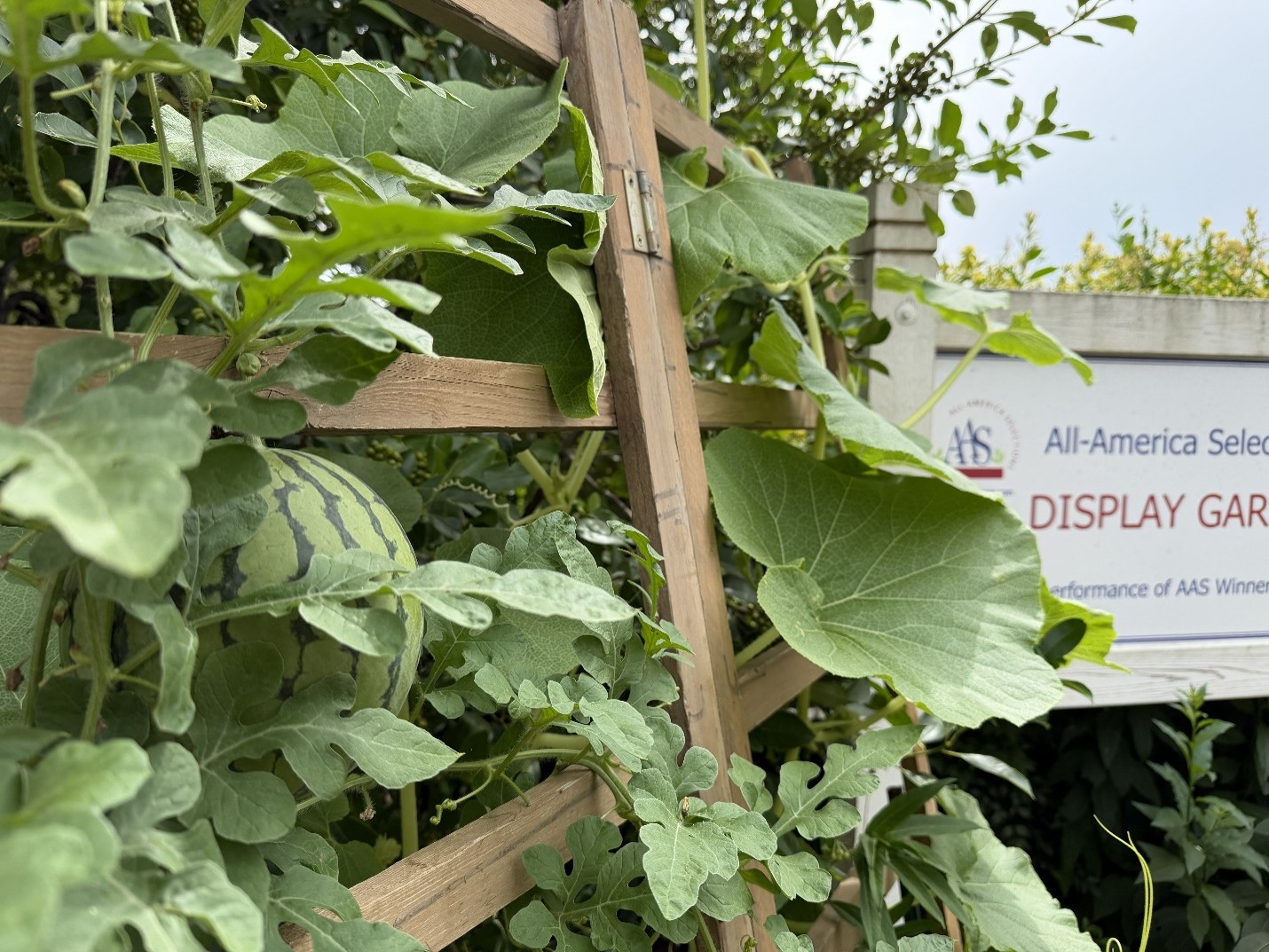
Rooted in the experiences of staff, volunteers and visitors, a featured 2026 display garden successfully brought the "Goodness of Gardening" theme to life through an interactive, self-guided nature walk at The Teaching Garden at Woodward Park.
Designed as a free public sanctuary, the garden invited guests to explore their personal connections to nature by pairing award-winning AAS plants with reflective, educational signage.
Each area was tailored to a specific aspect of well-being: the pollinator garden highlighted ecological benefits, the vegetable plot showcased physical health and the memorial garden provided space for spiritual renewal.
By placing thought-provoking prompts and comfortable seating throughout the space, the display clearly explained why each plant combination mattered, encouraging visitors to pause, learn and reflect on how gardening enriches daily life.
To amplify its impact, the initiative was supported by an engaging promotional video, targeted social media campaigns highlighting AAS winner varieties, local news features, guided group tours and a quarterly newsletter feature.
By combining thoughtful signage, upcycled space and digital outreach, the display effectively educated the public, fostered community engagement, and demonstrated how purposeful garden design promotes physical, emotional and environmental well-being for all who visit.
Third place (tie): Purdue Extension-Marion County Demonstration Garden, Indianapolis, Indiana
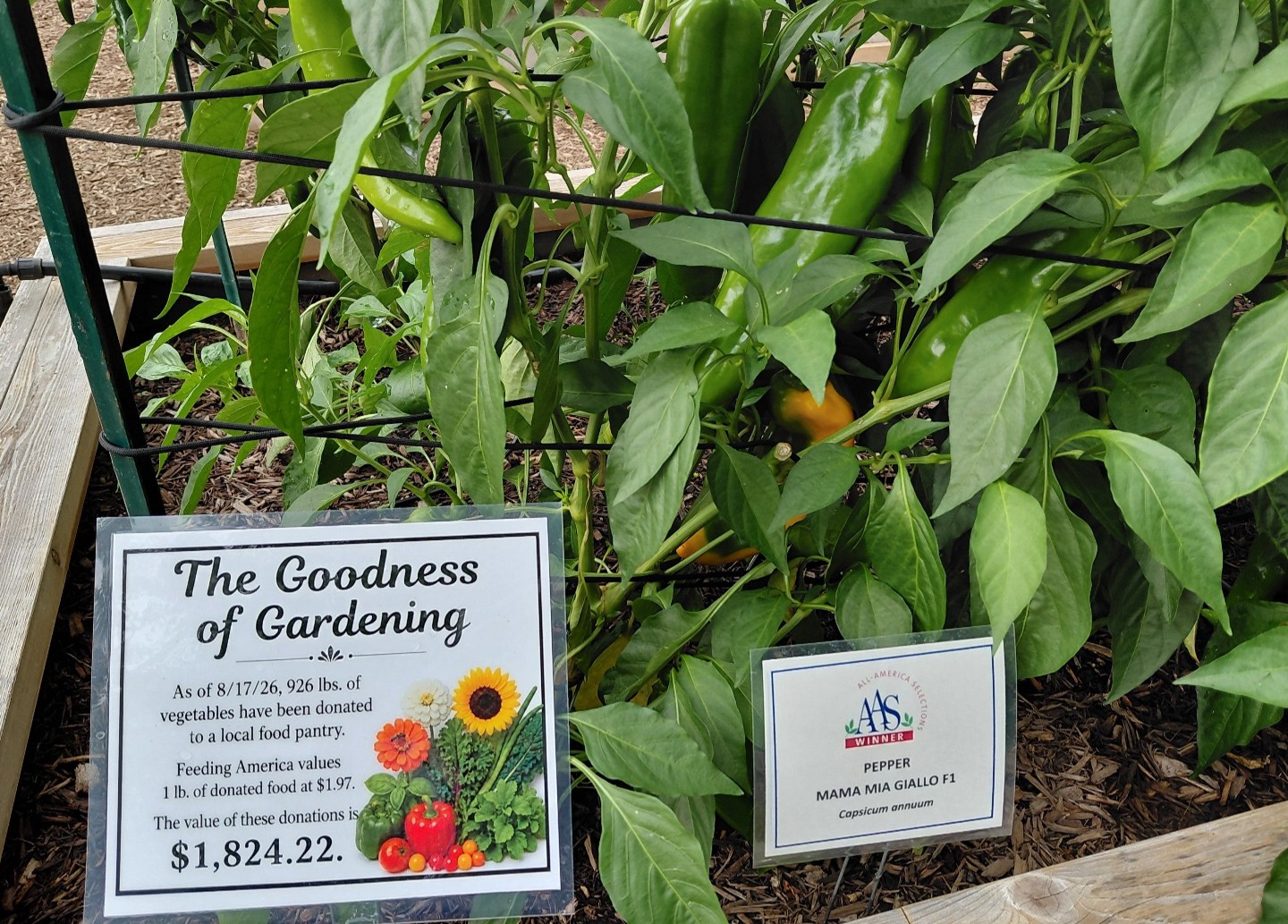
Demonstrating the economic, health and social benefits of horticulture, Extension Master Gardener volunteers partnered with the Purdue University Extension-Marion County office to showcase the 2026 Demonstration Garden.
Highlighting 95 AAS award winners, the interactive display brought "The Goodness of Gardening" theme to life through bold design and educational community outreach.
The garden featured mass plantings, including a circular "yin & yang" arrangement of Celosia; vibrant Zinnia displays; and a 15-foot "Sweet Life" bed showcasing produce selected for sweetness. Beyond aesthetics, the project directly addressed food insecurity, donating nearly 1,000 pounds of fresh produce to local pantries.
Interactive signage, fence banners and QR codes educated visitors on environmental stewardship, stress reduction and physical wellness. Through upcycled trellises, children's activities and social media engagement, the garden demystified cultivation practices while providing actionable ideas for home growers.
By combining resourceful design with local food donation, the Marion County Demonstration Garden successfully highlighted how gardening strengthens communities, improves individual well-being and yields lasting environmental health for all.
Third place (tie): Noelridge Greenhouse, Cedar Rapids, Iowa
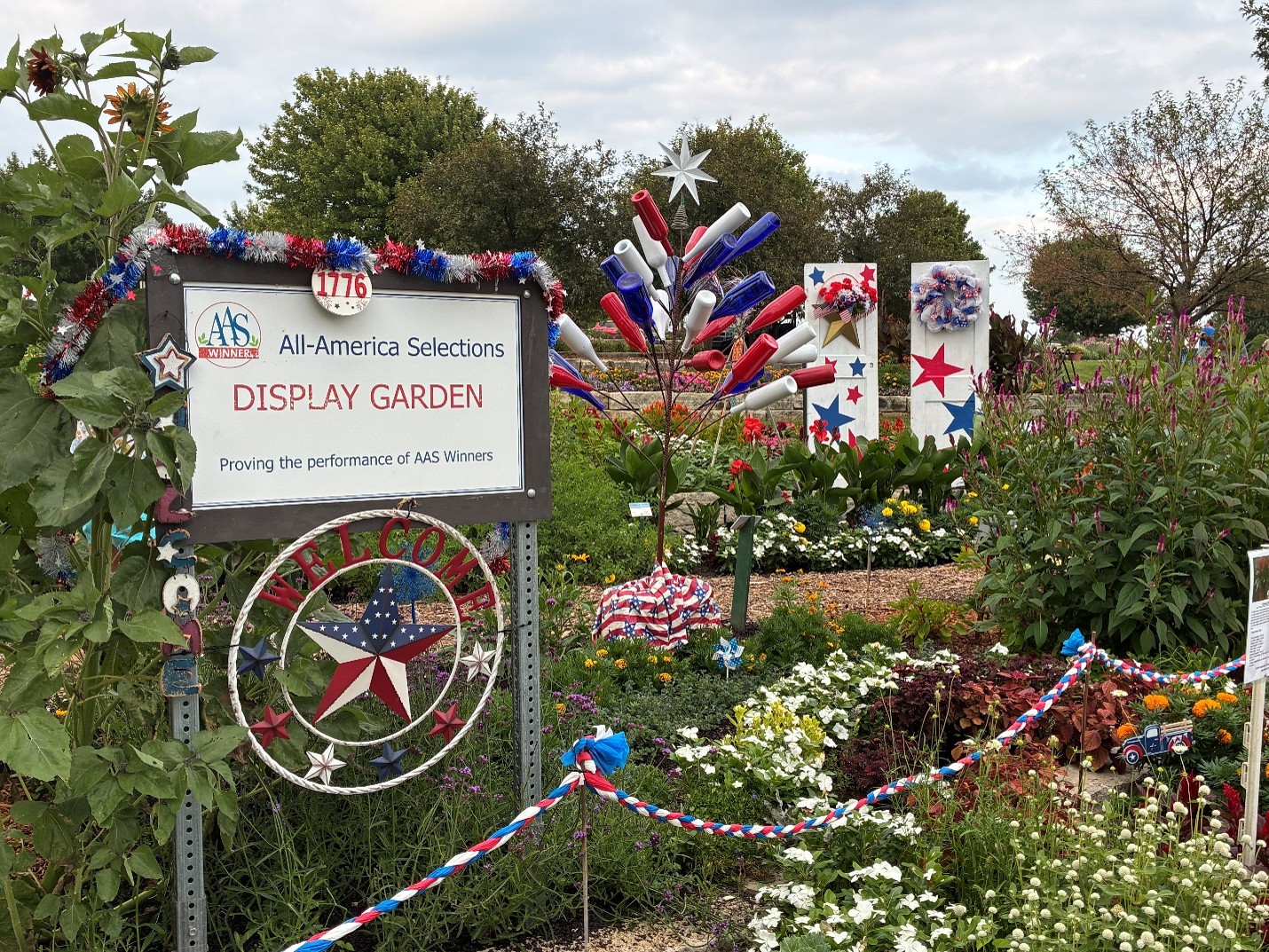
Commemorating America’s 250th birthday, volunteers at Noelridge Greenhouse in Cedar Rapids, Iowa, unveiled their 2026 display, “Oh, GOODNESS!” The design explored how the evolution of American gardening reflects the nation's diverse history, showcasing how plant development and human migration have intertwined over centuries.
The garden highlighted modern AAS winners in golden pots, contrasting them against wild and ancestral plant strains to demonstrate historical improvements in yield, beauty and disease resistance. A red, white and blue ribbon of blooms woven throughout the grounds provided a festive backdrop alongside historical quotes from founding gardener Thomas Jefferson.
Despite facing typical gardening setbacks — including hungry wildlife, unexpected herbicide issues and record rainfall — the team persevered, bringing the resilient display to full bloom. The season culminated in a celebratory Open Garden event for local families.
By connecting plant history with the everyday triumphs and trials familiar to all growers, the Noelridge Greenhouse display highlighted how human creativity, adaptability and passion continue to nurture the goodness of gardening.
Category I: Fewer than 10,000 visitors per year
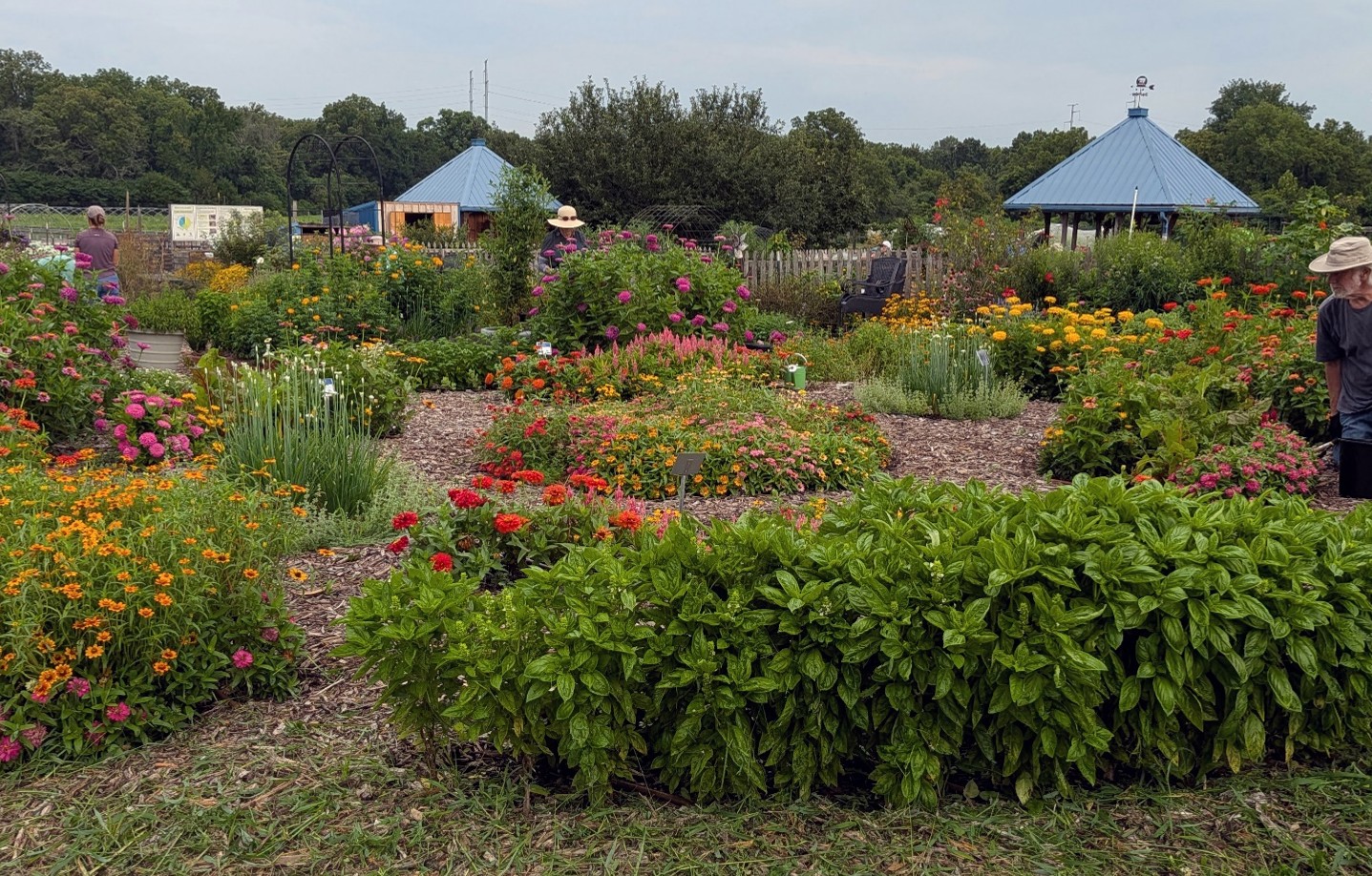
Celebrating the vibrant beauty and versatile benefits of horticulture, the Kansas State Backyard Garden highlighted zinnias for its 2026 display at the Olathe Horticulture Research and Extension Center.
Featuring 26 AAS zinnia varieties — ranging from the 1942 winner ‘Royal Purple’ to the 2026 awardee ‘Profusion Double White Improved’ — the display arranged plants by height and color, culminating in a striking Profusion zinnia color wheel framed by morning glory archways.
The garden showed how "The Goodness of Gardening" enriches physical, community and environmental health. Tended by dedicated volunteers, the space paired ornamentals with edibles like ‘Zenzei’ tomatoes and ‘Bright Lights’ chard. Weekly harvests of fresh produce and floral bouquets were donated to three local food pantries, while extension volunteers shared educational insights at community farmers’ markets.
Additionally, the display prioritized environmental sustainability through drip irrigation, organic composting and microclimate bed designs. Serving as a vital nutrition source for local pollinators, the 2026 trial garden successfully educated Midwestern growers while fostering community connection and ecological health.
Second place: Lee College Horticulture Program, Huntsville, Texas
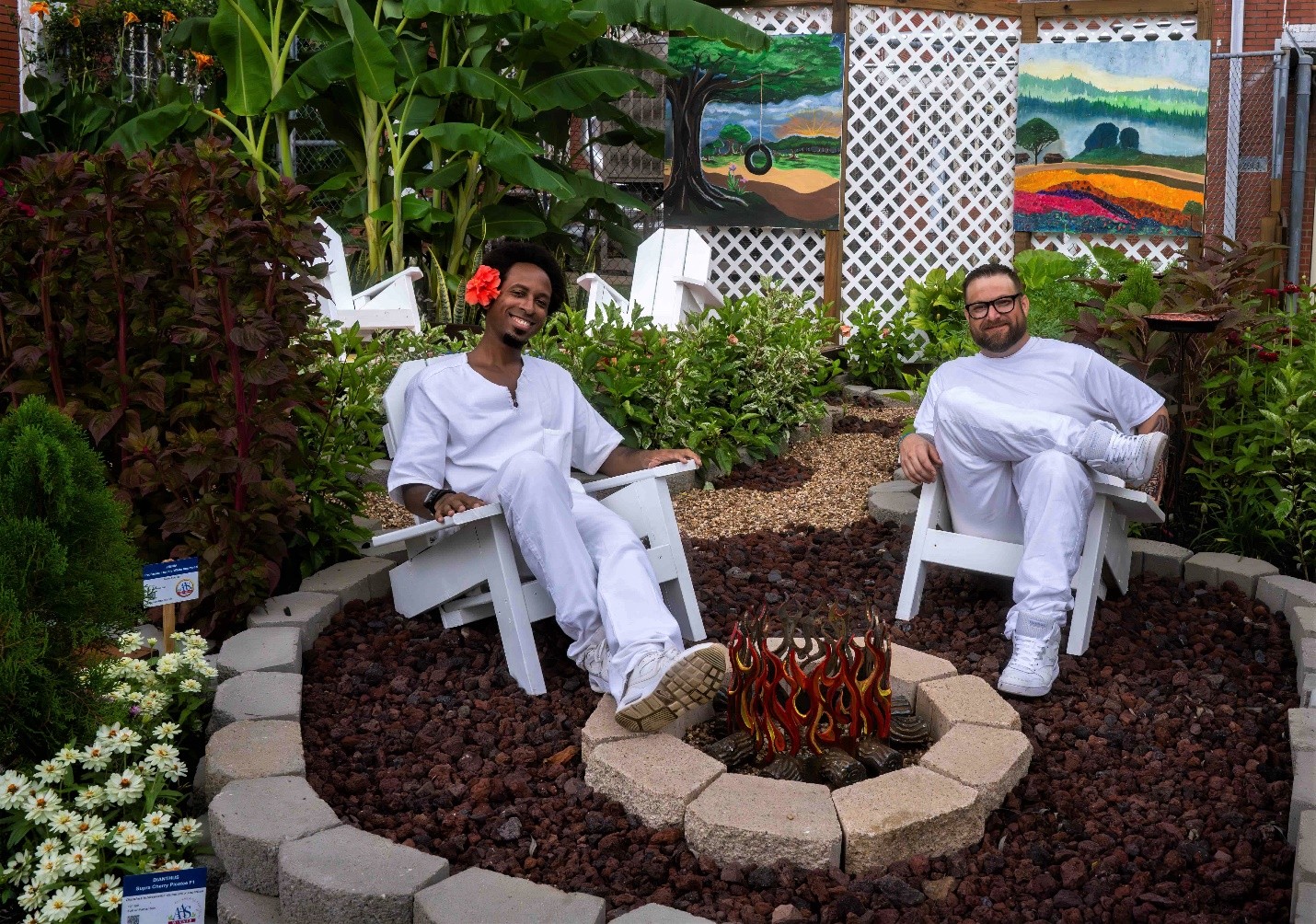
Highlighting the restorative power of nature, a featured 2026 display garden brought "The Goodness of Gardening" to life through a multi-sensory landscape designed to nourish mind, body and spirit at Lee College. The garden showcased how thoughtful design fosters emotional well-being, ecological stewardship and community connection.
Centering on wellness and self-sustainability, the layout integrated edible plants like Treviso basil alongside wildlife sanctuaries that support local biodiversity. Nectar-rich blooms, including SunGlobe coreopsis, Claire Orange rudbeckia and Burning Embers celosia, provided essential food and habitat for songbirds, monarchs and native pollinators.
The garden highlighted versatile AAS award winners, pairing showstopping foliage like Premium Sun Coral Candy coleus with vibrant plantings of Flamma Pink celosia, Zydeco Fire zinnia and Black Forest Ruby dahlia near tranquil water features.
From urban green refuges to quiet, hidden sanctuaries for solitary reflection, the display demonstrated how gardens of all sizes create spaces for rejuvenation, self-reliance and lasting environmental health.
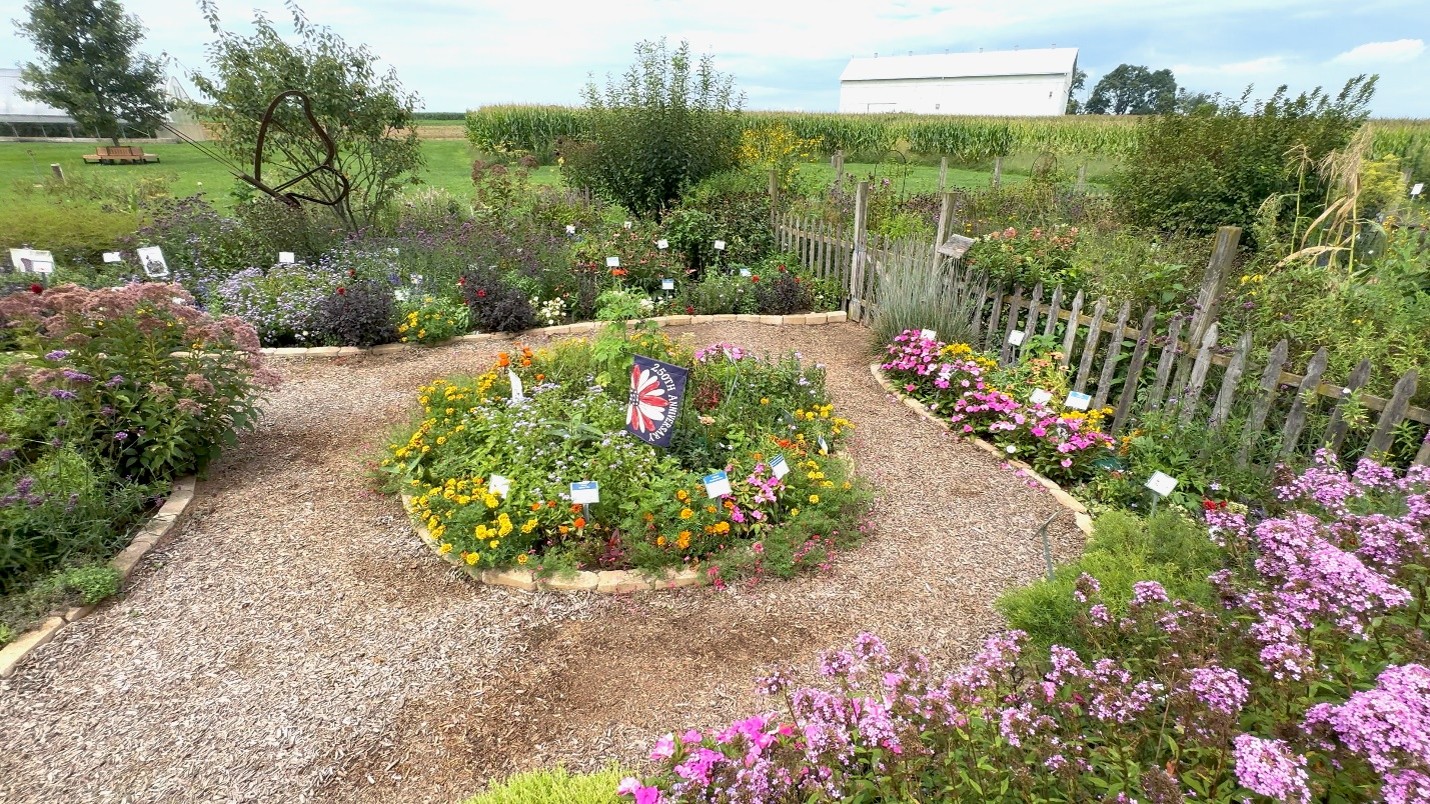
To commemorate America’s semiquincentennial, the Penn State Extension Master Gardeners unveiled their 2026 display garden centered around "The Goodness of Gardening." Embracing a patriotic red, white and blue motif, the layered landscape paired Black Forest Ruby dahlias and Profusion Double White Improved zinnias alongside Heliopsis Sole Giatto entries to welcome visitors.
Designed to foster community connection, the garden featured reflective signage and an interactive installation where guests wrote personal gardening memories on colorful display flowers. Activities for all ages included an AAS bingo game with pollinator plant prizes, a butterfly-themed rock hunt for children and specialized optical glasses that let visitors view blooms through a pollinator's perspective.
Beyond education, the garden directly served local families by donating its entire vegetable harvest — including Tonatico tomatoes, Pick-N-Pop peppers and Rubybor kale — to the Central Pennsylvania Food Bank’s Adopt-A-Pantry program.
By blending historical tribute, hands-on environmental education and community produce donations, the Penn State Extension team successfully demonstrated the meaningful, real-world impact of "The Goodness of Gardening."
This year's honorable mentions are:
- Community Arboretum at Virginia Western Community College
- Cornell Cooperative Extension Oneida County Parker F. Scripture Botanical Gardens
- Hamilton County Master Gardeners
- Hoke County Extension Demonstration Garden
- Green Legacy Display Garden
- Mississippi State University-South Mississippi Branch Experiment Station
- William Dam Seeds
Winners in each category can be found on the AAS website.
Latest from Nursery Management
- New UF study sheds light on the hidden toll of back pain among horticulture workers
- Top 10 things to know about program selling
- Stat of the Week: 44% of growers plan to produce more container-grown perennials
- Oasis Grower Solutions hires plant scientist Timothy Frey
- New green industry leadership development program for women now available
- Seed Your Future launches '50K to Grow 50K' campaign to connect young people with horticulture careers
- American Floral Endowment announces two new Vic & Margaret Ball Internship Committee members
- Midwest Groundcovers explores strategic partnerships for Merry Christmas Holly and Peter Orum collection of proprietary Ilex genetics