Margery Daughtrey, University of Cornell

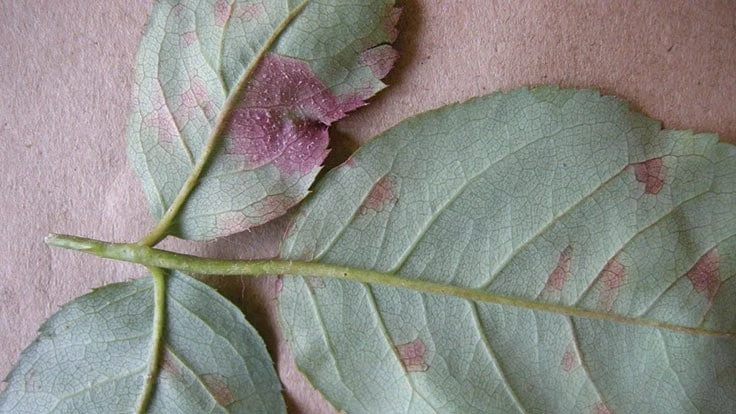
Downy mildew diseases are caused by oomycetes, a group of fungus-like organisms that also includes Pythium and Phytophthora species. Downy mildew pathogens are very different from powdery mildews. They attack different plants under different environmental conditions. Also, they are controlled by different classes of fungicides.
Most of the downy mildew fungi are very host specific and infect only one plant family. Pathogens include species of Peronospora, Pseudoperonospora, Bremia, Plasmopara, and Basidiophora. Downy mildews infect almost all ornamental plants as well as some indoor plants. Perennial hosts include aster, buddleia, coreopsis, geranium (not Pelargonium), geum, gerbera, lamium, delphinium, veronica and viola. Downy mildew is also caused on rose by Peronospora sparsa.
Source: UMass Extension

Explore the April 2021 Issue
Check out more from this issue and find your next story to read.
Latest from Nursery Management
- The Growth Industry Episode 17: Investing in IGCs with WorryFree® Plants
- New UF study sheds light on the hidden toll of back pain among horticulture workers
- Top 10 things to know about program selling
- Stat of the Week: 44% of growers plan to produce more container-grown perennials
- Oasis Grower Solutions hires plant scientist Timothy Frey
- New green industry leadership development program for women now available
- Seed Your Future launches '50K to Grow 50K' campaign to connect young people with horticulture careers
- American Floral Endowment announces two new Vic & Margaret Ball Internship Committee members