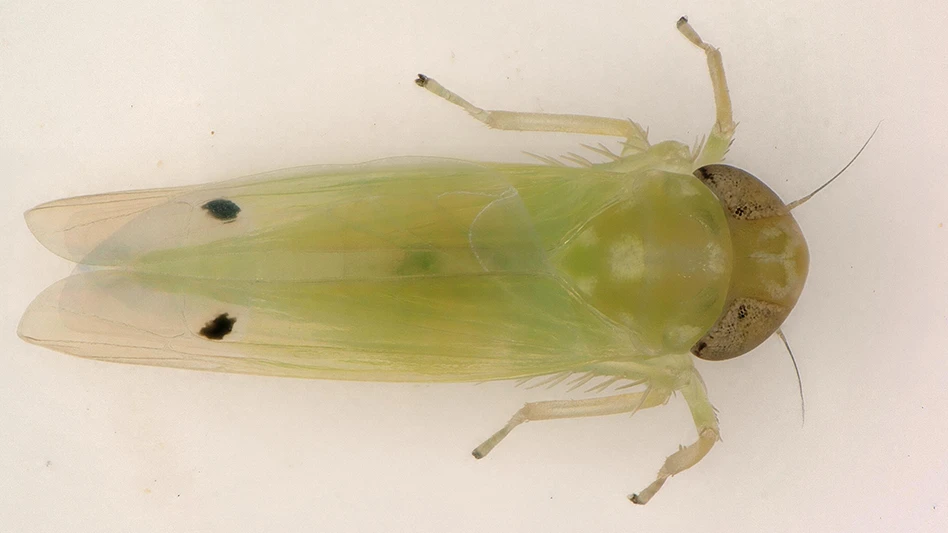
Photos courtesy of UF/IFAS
Most people retreat at the sight of a wasp, but University of Florida researchers’ discovery of two newly identified tiny native wasps targeting an invasive pest threatening Florida agriculture may be a hopeful sign for growers.
In September 2025, UF scientists at the Institute of Food and Agricultural Sciences (UF/IFAS) warned that the newly detected two-spot cotton leafhopper was threatening crops across South Florida after spreading from its initial detection in December 2024. The insect is native to Asia and Oceania and adventive in West Africa and the Caribbean.
The tiny pest, only 2.5 to 3 millimeters long, was reported to cause serious damage to the Sunshine State’s high-value food and ornamental crops, including cotton, okra, eggplant, roselle, sunflower, tropical hibiscus and others. It prompted statewide alerts for vigilance among growers and residents.
New UF/IFAS research shows that Florida may already have allies: native beneficial wasps quietly attacking the leafhopper’s eggs before the pest can wreak havoc on farms.
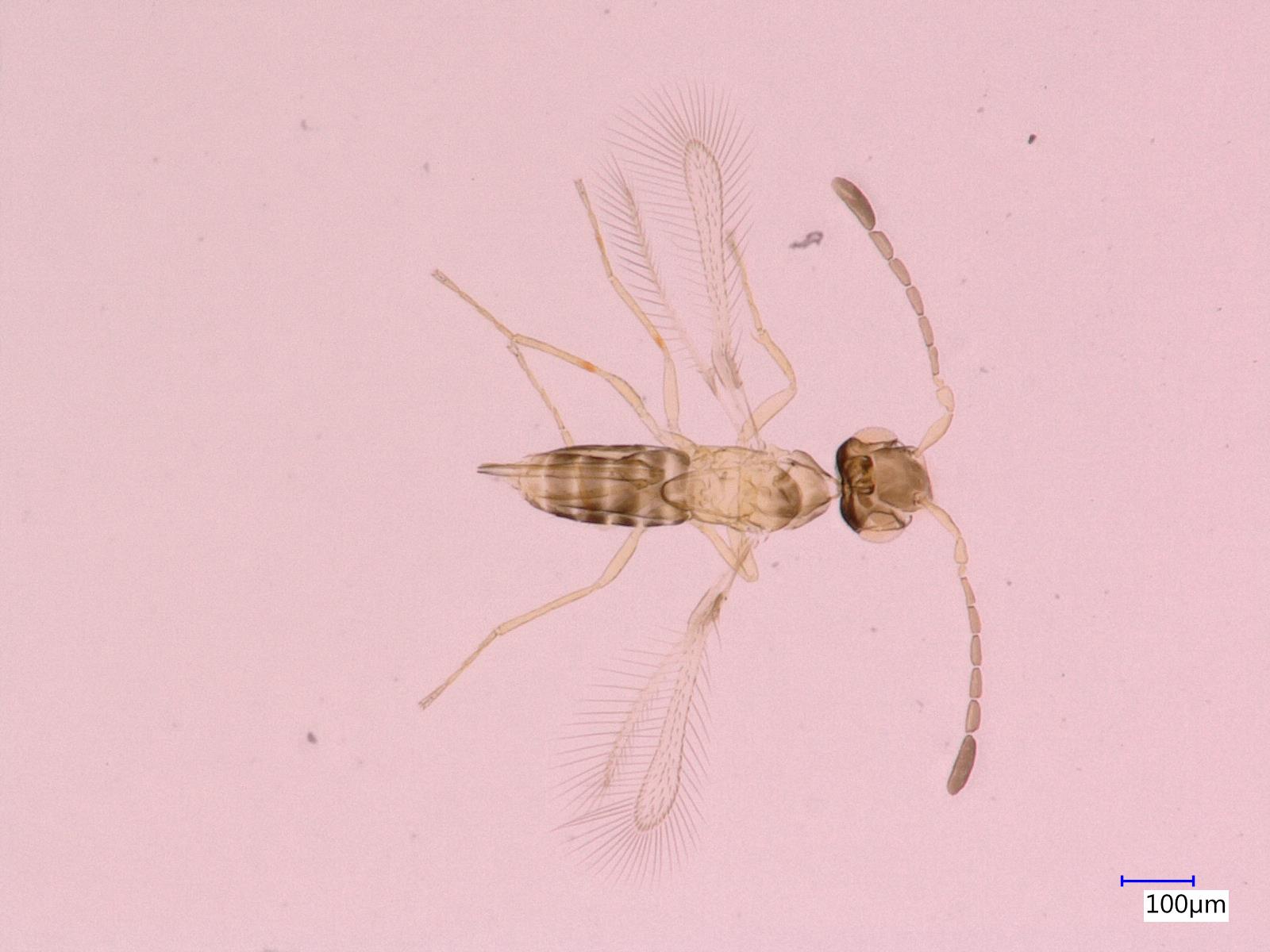
Researchers have identified two native parasitic wasps, scientifically known as Anagrus vulneratus and Anagrus sp. near vulneratus, that may help Florida growers combat this invasive leafhopper.
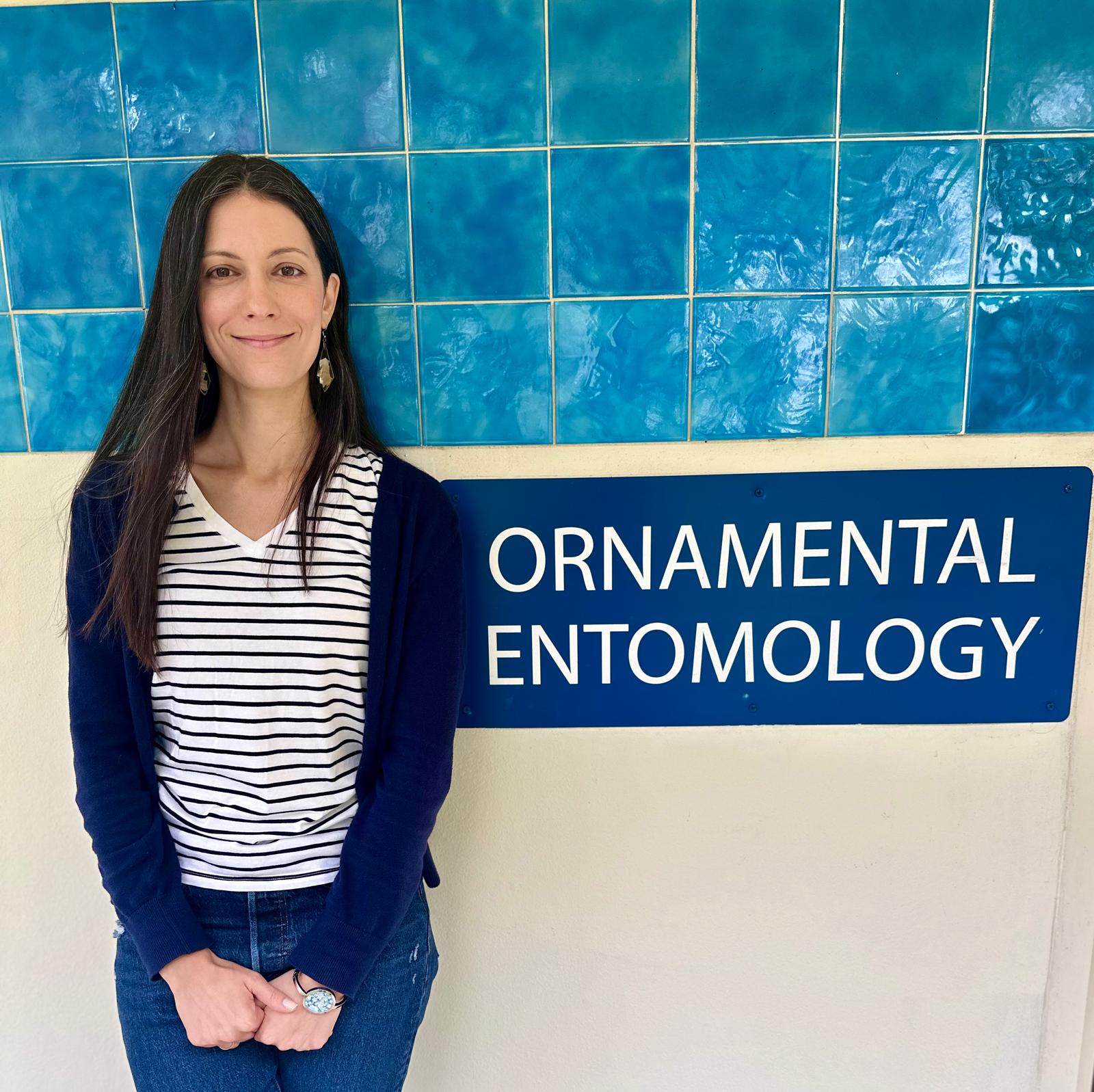
“This is a significant discovery because it shows that Florida already has natural enemies that we can use for the biological control of this invasive pest,” said Alexandra Revynthi, assistant professor of ornamental entomology and acarology at the UF/IFAS Tropical Research and Education Center in Homestead. “Therefore, it might not be necessary to invest money and time sampling and bringing natural enemies from the country of origin of this pest. For the growers, this means that researchers might be able to provide solutions faster.”
The two-spot cotton leafhopper damages plants by sucking sap from the underside of leaves, causing yellowing and curling, and reducing yields for growers to market and the public to access from local stores.
During a field sampling at TREC, scientists saw the wasps emerging from okra leaves infested with leafhopper eggs. Both wasp species, native to North America, had not previously been associated with this pest. Researchers followed up by conducting genetic sequencing to confirm the wasps’ identities.
Because these wasps target the pest at the egg stage, they may serve as an effective, chemical-free means of reducing leafhopper populations, Revynthi said.
Previous research shows that the Anagrus species can help slow pest population growth by invading eggs embedded in leaf tissue. This natural control could support integrated pest management efforts and reduce reliance on insecticides.
“Utilizing the presence of these natural enemies will open avenues for more sustainable management of this pest. The wasps target the eggs that are not visible since they are inserted in the leaf tissue,” Revynthi said. “To allow the wasps to attack the leafhopper eggs, growers will need to take the conservation approach by managing their crop in a way that will not interfere with the wasp survival, i.e., decrease chemical control applications and implement IPM instead.”
The research team recommends additional studies to measure parasitism rates, evaluate compatibility with existing farming practices and assess the best strategies for incorporating these beneficial insects into long-term crop protection programs.
“We are in the infancy of this research. We still do not know the full potential of these wasps,” Revynthi said. “However, one additional aspect that must be studied is how to successfully implement them in an IPM program. This can happen by studying their compatibility with other management practices used by the growers.”
Ultimately, this discovery isn’t just important for growers. It also supports consumers by promoting healthier crops and reducing the need for chemical inputs, Revynthi said.
Latest from Nursery Management
- The Growth Industry Episode 14: Meet Lionel van der Walt, AmericanHort's new CEO
- Growers and suppliers say BFG Supply Co. will close
- Stemmer from BioWorks
- BioWorks introduces Stemmer silicon-based plant health solution
- Silver Fern awarded grant to expand AI-powered demand planning for greenhouse, nursery growers
- All-America Selections announces first three new AAS Winners for 2027
- 2026 Special Recognition Award recipients announced at PPA National Symposium
- [WATCH] July issue recap