There are hints that technology’s despotic control over human attention and dopamine may have reached its limit. The electric glow; the scrolling; the constant Pavlovian notification ding; the illusory lives of social media. It’s all just starting to feel like too much.
And the tools once used to soothe, like lighting a pretty candle or buying a fancy coffee, may not be cutting it anymore.
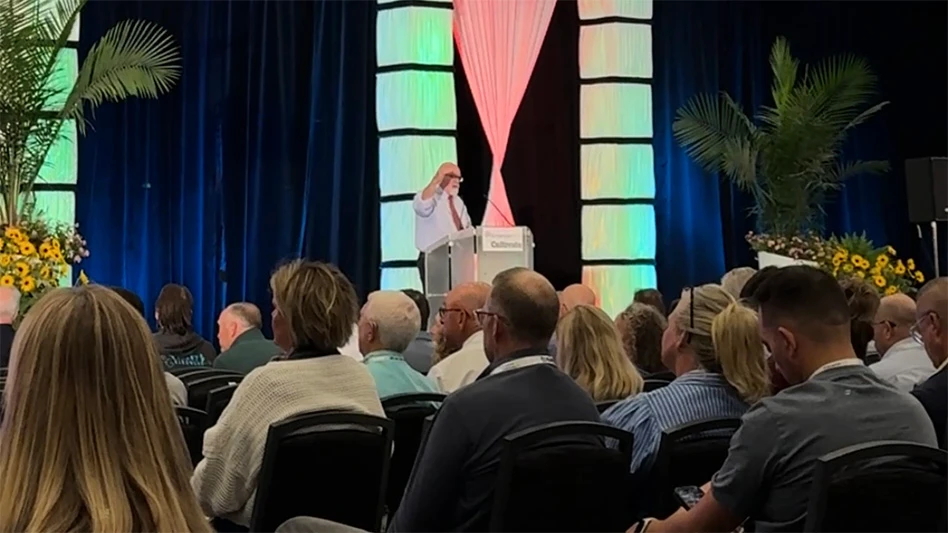
Gardening, however, is a hobby with long-term therapeutic benefits. That’s great news for the horticultural industry, according to Garden Media Group President Katie Dubow, who introduced the agency’s 2027 Garden Trends Report “Digging for Dopamine” at the Cultivate trade show in July.
“People check their phones 205 times a day,” Dubow said. “They’re looking for that dopamine hit, but we’ve reached our max. But do you know what gives you dopamine? Gardening. Our industry is the cure for what people are calling ‘dopamine burnout.’”
Dubow offered seven trends for growers and retailers to look out for in 2027. It’s time to go big on dopamine via nature and connection and get analog.
Show up culture
There are some people who are opting to move away from screens. In June, The New York Times published a four-week summer challenge that pushed readers to put their phone down, get together in person and go outside. And there have been numerous other media stories about people turning away from the digital world to reengage with the natural one.
What’s more natural than the garden? Dubow notes nine in 10 customers are looking for a place where they can be screen-free, and a tremendous amount of young adults are looking for events that connect them to their community.
She suggests retailers look into craft workshops, silent book clubs and events that include a low-barrier shared activity. But how does one promote an event online meant to move people offline?
“The distinction I’d draw is dopamine-hijacking content versus dopamine-restoring content: infinite scroll versus an appointment,” Dubow says. “Use digital to create a reason to show up somewhere real. Hyperlocal is the new social currency, so consider having a presence at block parties, markets or meet-your-neighbor events.”
Outdoor RX
Nature can be actual therapy. Studies have shown that it can help children with ADHD and promote healthy aging for older adults. Compare that to the performative wellness of social media, which can push comparison and actually demotivate people who would otherwise participate.
Horticulture is therapy, too. Dubow previewed a soon-to-be-published University of Florida paper in partnership with Costa Farms that found “structured therapeutic horticulture” was able to reduce reported stress and anxiety experienced by college students. She also points out how many wellness garden designs were at the core of the 2026 RHS Chelsea Flower Show.
The trick to getting in on the trend is promoting gardening for wellness and creating a calm environment. That could include an in-store wellness garden or gardening workshops with distinct wellness goals.
Let’s go rococo
Maximalism is having a moment. Rococo design, the playful 18th-century French style notably brought to life in director Sofia Coppola’s Marie Antoinette, is the latest “extra” salvo in the modern garden.
The ornate, ruffled, asymmetric, unruly style is a kind of pushback against all that’s mannered and bland, according to Dubow.
“Rococo is an over-correction from years of beige, monotone plantings,” she says.
But how do growers and retailers chase the trend without over-committing to a potential fad? Think about trailing vines, double blooms and stone urns, says Dubow.
“Commit at the display level, not the inventory level,” she explains. “A fully maximalist Rococo destination and a clean, sparse display can live in the same store.”
Where the wild things aren’t
Dubow notes the average American child gets just four to seven minutes of unstructured outdoor play a day, compared to nearly eight hours of screen time. Experts are sounding the alarm.
Kids need to get into the dirt and go bananas in managed risk nature play. She notes there is a push for kids to get a bit more feral, and growers and retailers can lead that charge by offering spaces for kids to get dirty and go a little wild.
“The trap is over-designing it,” Dubow explains. “Kids get enough structure. The aim is feral whimsy: spaces that look discovered, not designed. And as far as capturing consumers, start with who’s buying. The parent is the buyer, and the pitch is direct: This is where your kid goes when the phone turns off. Parents want outlets they can turn to, not just a hydrangea.”
Drop it like it’s hot
Vinyl record collectors and limited-edition sneaker fans have long been hooked on the excitement of getting the rarest and latest releases. Built on a bit of “fear of missing out,” aka FOMO, and gamification, limited releases — particularly when framed through messaging that makes buyers feel like insiders — can increase engagement and get consumers coming back.
Consider the live auctions on plant websites like Palmstreet or the success of Monrovia’s numbered, limited-edition release of the Centennial Ruby hydrangea to mark the nursery’s 100-year anniversary in 2026.
Dubow encourages growers and retailers to consider pushing “drop days” and leaning into the special plants with limited stock. If you can get a line outside your store, you’re doing something right.
“I say it all the time on-air at QVC: Plants are the most naturally limited-edition product on earth. We can’t go back to the factory and make more to ship out next week,” Dubow says.
Proof of soil
“Organic” may soon be ceding ground to “regenerative,” according to Dubow. The trend report notes the regenerative agriculture market is expected to hit $19.6 billion by 2030. However, she says there aren’t currently any major players marketing regenerative potting soil or similar products.
Dubow explains that Gen X and millennial buyers are looking for products that don’t simply sustain the environment but actively make it better through regeneration. She encourages businesses to consider ways to talk about feeding the soil, not just the plants.
Color of the year: Ancient Blue
Dubow notes that humanity’s first manufactured color was blue, and the pigment was worth more than gold. In a world of hyper-tech, blue is the color of calm. But it’s also extraordinarily rare in plants.
“I know we took a risk on this one,” Dubow says. “Beyond blooms, there are four lanes. Plants, foliage and berries like blue hostas, blue spruce, juniper. Activities like hydrangea bluing demos or dye-garden workshops with indigo and woad. Hard goods like lapis-glazed pottery, cobalt watering cans or indigo-dyed textiles. And finally, merchandising by building an ‘excavated’ destination, with blue plants against weathered terra-cotta, aged brass, verdigris, raw linen, hang tags that tell the 5,000-year story of Egyptian blue and Tyrian purple.”
Editor's note: The full 2027 Garden Trends Report releases in September; Dubow gave a preview of the report at Cultivate'26.
Latest from Nursery Management
- The Growth Industry Episode 14: Meet Lionel van der Walt, AmericanHort's new CEO
- Growers and suppliers say BFG Supply Co. will close
- Stemmer from BioWorks
- BioWorks introduces Stemmer silicon-based plant health solution
- Silver Fern awarded grant to expand AI-powered demand planning for greenhouse, nursery growers
- All-America Selections announces first three new AAS Winners for 2027
- 2026 Special Recognition Award recipients announced at PPA National Symposium
- [WATCH] July issue recap